
Explore direct-from-mill architectural components engineered for seamless integration with high-impact translucent polycarbonate roofing runs, industrial purlin substructures, and thermally broken building envelopes.
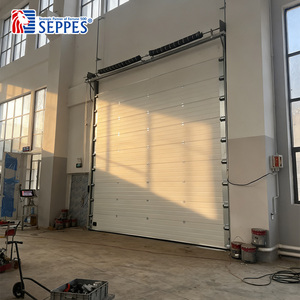
Automated high-security thermal perimeter overhead system built with insulated polyurethane composite laths for logistics hubs.
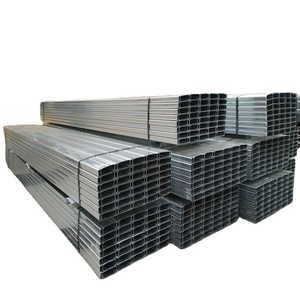
Precision cold-formed high-tensile structural Z and C purlins engineered for supporting corrugated and multiwall polycarbonate roofing spans.
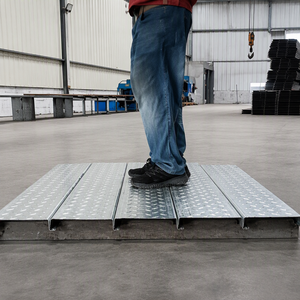
High-load composite galvanized structural floor deck profiles ensuring monolithic concrete bonding for multi-story industrial spaces.
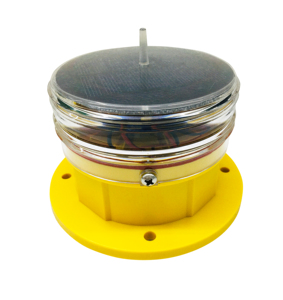
Self-charging IP67 autonomous warning illumination beacon optimized with UV-stabilized polycarbonate omni-directional optical dome.
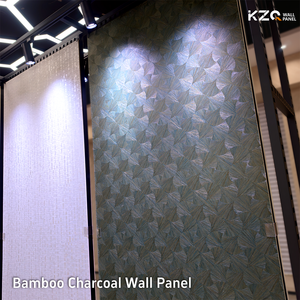
Eco-friendly commercial acoustic and fire-resistant composite cladding paneling designed for fast-track architectural dry interior finishing.
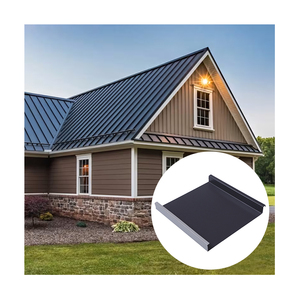
Non-penetrating standing seam alloy architectural cladding seamlessly interleaving with corrugated and flat polycarbonate skylight layouts.
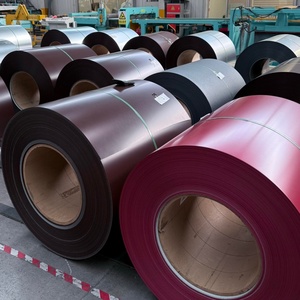
PVDF fluoropolymer pre-painted galvalume coil base metal matching polycarbonate rib spacing for airtight, weather-sealed roof assemblies.
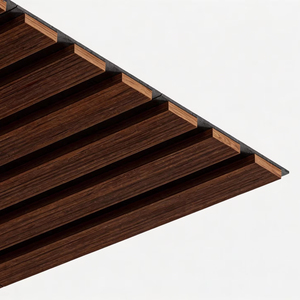
Precision reverberation dampening acoustic slat internal systems complementing exterior thermal envelope daylighting architectures.
In the contemporary era of sustainable industrial civil engineering, natural daylighting systems no longer serve as mere secondary architectural choices. They constitute vital structural components that dictate HVAC thermal loads, interior illuminance parity, structural dead-load calculations, and fire compartmentation compliance. Sourcing from a premier China wholesale polycarbonate roof sheets factory demands comprehensive mastery over polymer resin science, co-extrusion UV-barrier stabilization, and profile geometry compatibility with modern pre-engineered steel buildings (PEBs).
Polycarbonate (bisphenol A polycarbonate) is an amorphous thermoplastic resin known for its near-optical clarity, superior glass transition temperature (Tg ≈ 147°C), and exceptional impact resilience. However, in low-tier manufacturing environments, improper process controls or resin degradation will compromise an entire building envelope within 24 to 36 months of exterior UV and thermal exposure.
A world-class Chinese extrusion facility operates high-precision multi-layer continuous co-extrusion feedblocks (such as OMIPA or KraussMaffei tooling) to fuse a concentrated layer of benzotriazole or triazine UV stabilizers directly onto the exterior skin of the polycarbonate profile while still in a molten state. This co-extrusion technology prevents the micro-fissuring, delamination, and severe yellowness index shifts (Delta YI > 5) characteristic of spray-coated or substandard secondary compounds.
Tier-1 manufacturing utilizes exclusively prime virgin granules (Sabic Lexan, Covestro Makrolon, or Lotte Chemical). Virgin optical resin guarantees tensile stress at yield of ≥ 60 MPa and flexural modulus of ≥ 2,300 MPa, preventing premature mechanical brittle failure.
A homogeneous exterior protective layer measuring between 50 μm and 80 μm filters out 99.9% of destructive UV-A and UV-B wavelengths (290–400 nm), preventing chain scission within the backbone polymer matrix.
For horticultural greenhouses and conditioned warehouses, an active anti-condensation bottom surfactant increases water droplet contact angle, causing condensation to form a thin, sheet-like film that drains cleanly into perimeter gutters without falling onto equipment.
Evaluating the exact thermal, mechanical, and solar transmission metrics of various architectural glazing profiles to assist structural engineers and EPC contractors in selecting optimal materials.
| Profile Category | Impact Resistance (J/m) | Visible Light Transmission (VLT %) | Thermal Transmittance (U-Value W/m²K) | Weight (kg/m²) | Thermal Expansion Coeff. (mm/m·°C) | Primary Application Profile |
|---|---|---|---|---|---|---|
| Solid Flat PC (3.0mm) | 850 J/m (High Impact) | 87% – 89% | 5.4 W/m²K | 3.60 | 0.065 | Acoustic barriers, bullet-resistant security, transparent skylight vaults |
| Twin-Wall Multiwall (8.0mm) | 350 J/m (Hail Proof) | 78% – 82% | 3.2 W/m²K | 1.50 | 0.065 | Commercial greenhouses, industrial sheds, covered walkways |
| Honeycomb / Multi-X (16mm) | 420 J/m (Heavy Hail) | 54% – 62% | 2.0 W/m²K | 2.70 | 0.065 | Conditioned cold logistics, airport atrium skylights, sports arenas |
| Corrugated PC Sheet (1.2mm) | 600 J/m (Point Impact) | 84% – 88% | 5.8 W/m²K | 1.45 | 0.065 | PEB steel roof interlocks, composite trapezoidal panel daylight bands |
| Standard FRP / GRP (1.5mm) | 120 J/m (Fiber Brittle) | 60% – 72% | 5.9 W/m²K | 2.10 | 0.025 | Corrosive chemical warehouses, legacy low-cost sheds |
| Laminated Float Glass (6+6mm) | Low (Shatter Risk) | 86% | 5.2 W/m²K | 30.00 | 0.009 | Curtain walls, heavy architectural roofs requiring excessive steel |
A critical limitation in global industrial procurement is the single-item sourcing bottleneck: contracting translucent polycarbonate from one converter, metal trapezoidal panels from another, cold-formed structural purlins from a third, and hardware from another vendor. This fragmented strategy leads to on-site lap-joint mismatching, capillary water ingress, uneven thermal expansion coefficients, and prolonged structural warranty disputes.
Our co-extrusion tooling dies are precision-machined to correspond precisely with standardized roll-formed steel profiles (such as 760, 820, 840, and 960 trapezoidal sheets). This alignment guarantees airtight overlap seals, preventing rain ingress without requiring on-site cutting or deformation of materials.
Continuous beta-ray and laser-triangulation gauge scanners actively track sheet thickness, rib verticality, and UV layer thickness across the entire width of the profile extrusion. Any deviation exceeding ±0.05mm automatically triggers servo-driven lip corrections on the die.
Leveraging our comprehensive structural steel division, we engineer daylighting systems alongside load-bearing C/Z purlins, structural standing seam platforms, and industrial sectional overhead access doors to deliver an integrated, cohesive building envelope.
As commercial building energy codes (such as ASHRAE 90.1, Title 24, and European EPBD standards) become increasingly rigorous, the global procurement of polycarbonate daylighting panels is shifting from basic price-per-kilogram metrics to complex lifecycle-performance models.
Traditional translucent panels often transform industrial facilities into high-temperature heat traps. Modern Chinese tier-1 factories now incorporate nano-ceramic infrared (IR) reflective additives into the resin cap layer. This lets in visible light (VLT 50–65%) while rejecting up to 78% of near-infrared heat rays, significantly decreasing factory HVAC energy expenditure.
The industry is moving toward hybrid translucent configurations where transparent flexible thin-film or crystalline solar cells are embedded within multi-wall structural ribs. This transforms large warehouse skylights into functional clean energy power plants that maintain internal daylighting parity.
Institutional investors are demanding validated Environmental Product Declarations (EPDs). Leading manufacturing hubs now offer mass-balance bio-circular polycarbonates derived from certified forestry residue and post-industrial waste, cutting upfront embodied carbon metrics by up to 55%.
Planning an industrial logistics park, large-span sports facility, or commercial greenhouse? Request tailored profile matching, thermal U-value modeling, and container-optimized wholesale pricing directly from our technical team.
Inquire NowTo prevent unverified claims from intermediary traders, professional international procurement teams require clear proof of quality control before releasing balance payments. Below is the standard inspection framework adhered to by Tier-1 Chinese manufacturers:
Cross-sectional micro-tomography or fluorescence microscopy confirms a minimum uniform co-extruded cap thickness of 50 microns. Avoid vendors relying on solvent-borne chemical liquid dips, which wash off under heavy rainfall within several months.
Using a compressed-air propulsion cannon, 20mm to 30mm artificial ice spheres are fired at sheet samples at velocities over 25 m/s (conforming to ASTM E822). Compliant polycarbonate panels exhibit zero surface rupture or micro-cracks.
Test samples undergo 4,000+ hours of continuous alternating cycles of intense UVB radiation and hot condensation (ASTM G154). Pass criteria require a Yellowing Index (Delta YI) ≤ 3 and light transmission degradation of less than 4% over the testing duration.
Authoritative guidance directly addressing structural stability, thermal expansion allowances, fire code certifications, and ocean-freight damage prevention.
Successful international procurement relies on working directly with established, vertically integrated manufacturing partners rather than regional brokers. By choosing an enterprise that manufactures cold-formed structural framing, profile steel sheets, and co-extruded polycarbonate panels concurrently, your engineering team secures single-source accountability, guaranteed cross-material tolerances, and transparent factory-direct pricing.