
Explore our foundational structural panels, profile sheets, and industrial entry systems engineered for harsh marine, desert, and high-wind environments.
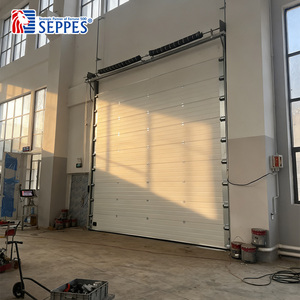
Continuous polyurethane insulated core with galvanized steel laths for sound dampening, thermal insulation, and rapid access control.
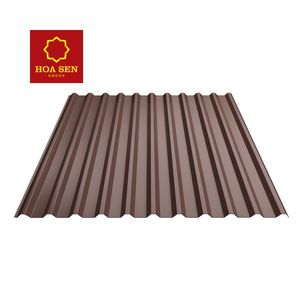
Cold-rolled structural arch profile sheeting conforming to BS standards with heavy-duty zero spangle zinc galvanization.
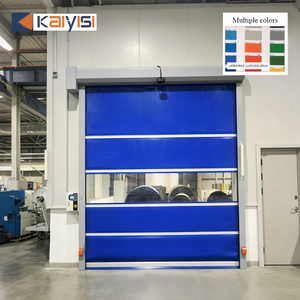
Industrial grade self-repairing PVC curtain fabric with radar activation sensors engineered for pharmaceutical and cleanroom logistics.
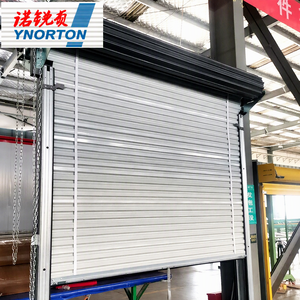
Heavy gauge cold-rolled interlocking steel slat system designed for commercial distribution bays and high-wind perimeter defense.
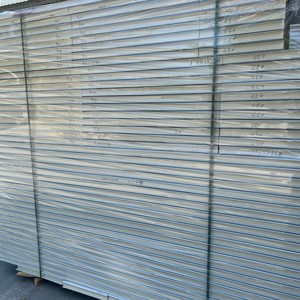
High-density basalt mineral wool core offering certified non-combustibility and superior sound attenuation for envelope partitions.
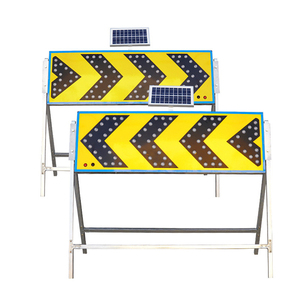
Ultra-bright directional safety signaling unit with weather-sealed aluminum chassis for industrial roadwork guidance.
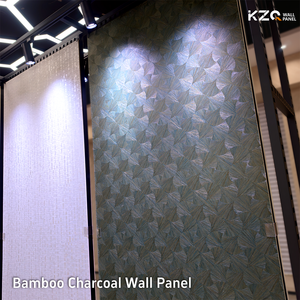
Carbon-composite extruded interior cladding providing zero VOC off-gassing, rapid click-lock assembly, and B1 fire retardancy.
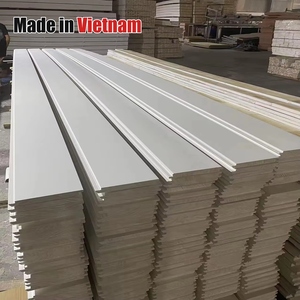
Kiln-dried finger-jointed pine shiplap coated with double-pass primer, offering dimensional stability for luxury modular construction.
A rigorous examination of substrate formulation, acrylic bonding matrices, and physical impact resilience under ASTM standards.
In structural roof engineering, longevity begins with substrate metallurgy. Standard galvanized steels with pure zinc coatings (GI) fail prematurely in coastal and industrial microclimates because zinc dissolves rapidly when exposed to airborne chlorides and acidic precipitation. As an established OEM manufacturer, our stone-coated steel roof tiles utilize a hot-dipped AluZinc alloy core conforming to ASTM A792 / EN 10346, composed of 55% Aluminum, 43.4% Zinc, and 1.6% Silicon by weight. This specific eutectic alloy creates a crystalline barrier where microscopic dendrites of aluminum isolate the substrate, while sacrificial zinc protects sheared edges, fixing penetrations, and micro-fissures.
With an AZ150 coating density (150 grams per square meter dual-sided), our tiles exhibit corrosion resistance four to six times higher than conventional galvanized sheets of equivalent thickness. The steel substrate is cold-pressed from structural grade base steel (yield strength ranging from 280 to 350 MPa), which gives the finished profile the mechanical elasticity to endure severe foot traffic, cyclic wind deflection, and structural settlement without buckling.
The defining performance metric of custom stone-coated roofing tiles lies in granule retention across thermal-shock cycles (-30°C to +80°C). Our manufacturing plants apply a multi-stage continuous automated polymer coating line:
Step 1: Anti-Fingerprint & Passivation Pre-treatment. The bare Galvalume substrate undergoes chemical cleaning, zirconium passivation, and an organic conversion coat that maximizes molecular bonding between the inorganic alloy and downstream polymer layers.
Step 2: High-Solid Acrylic Resin Basecoat. A proprietary aqueous acrylic copolymer resin, blended with high-durability UV stabilizers and anti-fungal biocides, is roller-applied to a controlled wet film thickness of 120-140 microns. This layer acts as the high-adhesion bed that receives the stone granules.
Step 3: High-Temperature Sintered Ceramic Basalt Chips. Rather than utilizing dye-dipped quartz sands which fade within 36 months under intense solar ultraviolet irradiance, our chips are quarried from natural basalt rock, milled to a controlled mesh fraction (0.4 to 1.2 mm), and pigmented via ceramic sintering at temperatures exceeding 800°C. The inorganic ceramic pigments fuse permanently into the silicate matrix of the rock chips.
Step 4: Pure Acrylic Overglaze (UV Clear Coat). After electrostatic drop-deposition of the chips, an acrylic overglaze sealant is evenly sprayed over the surface and heat-cured in a 120-meter tunnel oven. The glaze seals microscopic voids between chips, prevents moss and lichen accumulation, repels atmospheric soot, and provides superior scratch protection during overseas ocean container transit.
| Performance Characteristic | Test Standard | Observed Laboratory Value | OEM Engineering Advantage |
|---|---|---|---|
| Hail Impact Resistance | UL 2218 Class 4 | 2.0-inch (51 mm) Steel Ball at 90 mph | Zero structural penetration, no granule delamination. |
| Wind Uplift Resistance | ASTM E1592 / TAS 125 | Up to 160 mph (71.5 m/s) Hurricane Level | Interlocking horizontal fastening system resists negative suction. |
| Fire Classification | UL 790 / ASTM E108 | Class A Spread of Flame Rating | Non-combustible steel substrate blocks ember penetration. |
| Accelerated Weathering | ASTM G154 (5,000 Hours QUV) | Delta E < 2.0 (Zero Visual Fading) | Ceramically sintered basalt withstands UV degradation. |
| Salt Spray Resistance | ASTM B117 (3,000 Hours Continuous) | No Blistering, No Edge Creep > 1.0mm | Superior marine performance for coastal resorts and ports. |
| Acoustic Attenuation | ISO 140-18 | Sound reduction index ΔRw > 28 dB | Granular texture disperses heavy rain sound waves, preventing drumming. |
Strategic shifts shaping supply chain decisions among tier-one commercial EPC contractors, developers, and regional distributor brands.
Global procurement teams are eliminating multi-tier brokerage markups by establishing direct factory agreements. Contract manufacturing that supports custom tooling allows developers to produce proprietary profile geometry (e.g., Roman Tile, Shingle, Shake, Milano, Classical Wave) with custom brand stamping on the Galvalume underbelly, securing higher market margin and exclusive regional distribution rights.
With tightening ESG disclosures and green building rating mandates (LEED v4.1, BREEAM, Estidama), EPC contractors require verified Environmental Product Declarations (EPD). Stone coated steel roofing boasts a 100% recyclable lifecycle and a lightweight footprint (just 6.5 kg/m² compared to 45 kg/m² for concrete tiles), significantly decreasing ocean freight diesel consumption and structural dead loads.
The rapid rise of offsite industrial manufacturing and cold-formed steel framing (LGS) demands roofing assemblies that install fast with minimal site wastage. Interlocking stone-coated panels screw-fix directly into lightweight metal battens without wet mortar or heavy structural trusses, cutting onsite labor hours by up to 60% compared to traditional ceramic clay tiling.
Next-generation R&D is redefining stone coated metal tiles from passive weather protection into active building envelope technologies.
By doping sintered basalt granules with rare-earth metal oxide pigments, new tiles reflect up to 45% of invisible near-infrared solar radiation (700nm to 2500nm). This innovation drastically decreases roof plenum temperature by up to 22°C, reducing cooling loads in equatorial climates.
Pioneering OEM lines are embedding flexible monocrystalline silicon and CIGS thin-film photovoltaic cells directly into stepped stone-coated tile cavities. This seamless Building-Integrated Photovoltaic (BIPV) design preserves architectural roof aesthetics without bulky rail racks.
Advanced fluoropolymer and titanium dioxide (TiO2) sol-gel clear glazes impart superhydrophobic properties with contact angles over 120°. Rainwater creates a continuous sheeting action that rolls off airborne dust, sand deposits, and coastal salt films effortlessly.
Modern architectural profiles eliminate exposed screw heads. Hidden interlocking flanges secure tiles at the bottom edge while concealing corrosion-resistant screw heads underneath the overlapping tile lip, completely eliminating leak risks at fastener points.
Operating from Barka, Sultanate of Oman since 2009, PTI delivers end-to-end manufacturing, custom tooling, and multi-system envelope compatibility.
Unlike trading entities, Paneltech International LLC (PTI) owns its heavy industrial continuous roll-forming lines, automated thermal panel presses, and stamping tooling in Barka, Oman. Clients benefit from end-to-end batch traceability, strict mill test certificate (MTC) verification, and complete control over production schedules.
Every coil and panel batch undergoes standardized quality inspections before dispatch: cross-hatch adhesion testing (ASTM D3359), QUV accelerated weathering chamber analysis, impact testing, and continuous salt-spray immersion. Certified documentation supports rapid consultant approvals for large public and military tenders.
Beyond stone-coated metal systems, PTI manufactures PIR, PU, and Rockwool sandwich panels, heavy-duty cold-formed C & Z purlins, metal decking sheets, translucent roof daylight panels, matched ridge flashings, and automated industrial roller shutter doors. Contractors can source their complete industrial structural envelope from one accountable manufacturer.
Comprehensive technical and commercial clarity addressing container loading, mold fabrication, warranty standards, and material properties.
For standard residential projects, a Base Metal Thickness (BMT) of 0.40 mm is common. However, for hurricane-prone corridors (e.g., Caribbean, Florida HVHZ, Pacific Typhoon zones) and heavy snow loading environments, we engineer custom OEM profiles using 0.45 mm or 0.50 mm Galvalume steel. With the added sintered stone and polymer layers, total finished tile thickness measures 1.2 mm to 1.6 mm, yielding superior bending resistance and high structural fastener pull-over ratings.
Granule loss is prevented through continuous viscosity monitoring of the thermosetting acrylic basecoat and precision oven curing. The basecoat must crosslink at 140°C–160°C to lock down the basalt granules. Furthermore, our raw chips have strict angularity coefficients, enabling mechanical interlock. Under ASTM D3359 cross-hatch adhesion and bend tests (180° mandrel bend test), our tiles show less than 1% chip dislocation along the crease.
Standard catalog colors (Charcoal Black, Coffee Brown, Terracotta Red, Forest Green, Slate Blue) require a low MOQ of 800 square meters (approximately one 20-foot shipping container). For custom multi-tone colors or proprietary customer-stamped profiles requiring precision CNC stamping die manufacture, the tooling lead time is approximately 25 working days, with a custom production MOQ of 5,000 square meters.
Because stone-coated steel tiles nest tightly together, they provide exceptional shipping density compared to ceramic or concrete roofing. A standard 20-foot dry freight container can safely accommodate 8,000 to 10,000 pieces of stone-coated tiles (equivalent to approximately 3,800 to 4,500 square meters of roof coverage), including all matching ridge caps, bargeboards, valley gutters, and box accessories, within 27 metric tons payload limits.
Yes. Due to their ultra-lightweight profile (approximately 6.5 kg per square meter, which is less than one-fifth the weight of heavy concrete or clay tiles), stone-coated steel roofs can be mounted directly over existing asphalt shingle roofs using a counter-batten grid system. This avoids expensive roof tear-off costs, decreases landfill disposal fees, and introduces a thermal air-gap that further enhances whole-building insulation.
Each OEM export shipment is accompanied by a formal 50-Year Non-Prorated Limited Warranty against perforation, together with third-party verified test certificates covering ASTM B117 (Salt Spray Resistance), UL 2218 Class 4 (Impact Resistance), ASTM E108 / UL 790 Class A (Fire Performance), and SGS material analysis showing AZ150 Galvalume coating thickness and basalt sintering authenticity.
Standard bare corrugated steel roofs act like an acoustic membrane, producing 75 to 85 decibels of intrusive reverberant noise during tropical torrential downpours. The textured, multi-layered construction of stone-coated roofing tiles (incorporating an elastic acrylic resin bed and porous sintered basalt granules) breaks down and absorbs kinetic rain impact energy, dampening rainfall sound transmission by up to 28 dB to match standard clay tile acoustics.
Consult with our engineering and procurement team for custom panel profiles, AZ150 Galvalume technical data sheets, free sample swatch boxes, or comprehensive container loading simulations.