
Engineered for high-wind seismic performance, thermal efficiency, and corrosive industrial atmospheres. Review our high-demand manufactured steel roof tile components and envelope accessories.
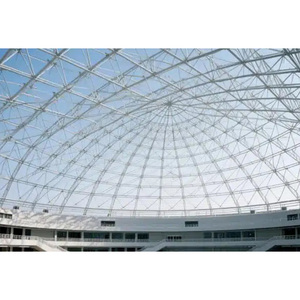
High-tensile Q235B/Q355B hot-dip galvanized structural trusses for industrial warehouses, hangars, and commercial clear-span assemblies.
Explore Engineering Specs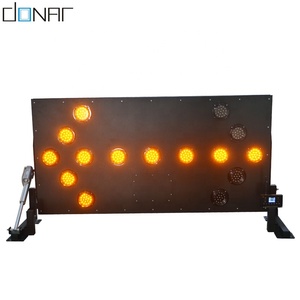
High-grade structural aluminum housing with remote-controlled multi-vector flashing LEDs designed for worksite safety and logistics routing.
Explore Engineering Specs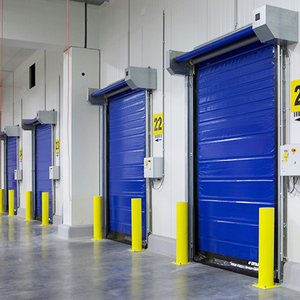
Automated airtight rapid-roll doors with intelligent self-repair track mechanics for deep-freeze storage and cold chain climate control.
Explore Engineering Specs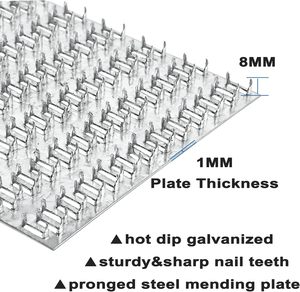
1.0mm-1.5mm precision-punched structural timber & steel connectors providing maximum joint shear strength against severe gale forces.
Explore Engineering Specs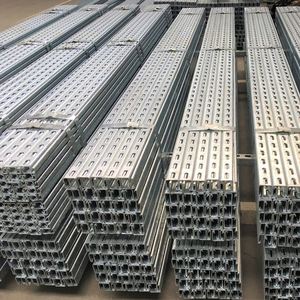
Roll-formed heavy-duty slotted C-channel strut systems engineered for roofing substructures, MEP support grids, and solar framing mounting.
Explore Engineering Specs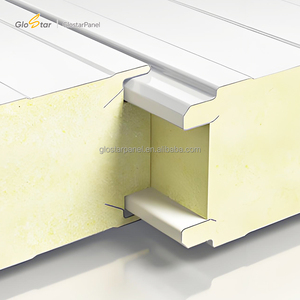
Rigid polyurethane (PUR/PIR) high-density core panels (50mm-75mm) delivering class-leading thermal insulation and ASTM fire performance.
Explore Engineering Specs
Rustproof cold-formed lightweight profile steel batten system offering unmatched dimensional precision and non-combustible building ratings.
Explore Engineering Specs
Tear-resistant, mildew-proof commercial vinyl architectural finishes compliant with strict fire safety codes for commercial interior walls.
Explore Engineering SpecsModern steel roof tiles (often specified as stone-coated metal roof tiles or pressed steel step tiles) represent a fundamental structural evolution from fragile clay tiles, brittle concrete shingles, and standard corrugated metal sheeting. In the international architectural and commercial building sectors, specification teams balance aesthetic elegance with rigorous structural survivability. By utilizing an advanced 55% Aluminum-Zinc alloy coated steel substrate (commercially recognized as Galvalume or Aluzinc) coupled with specialized acrylic polymer sealants and sintered natural basalt stone granulates, modern stone-coated steel roof tiles deliver unrivaled resilience against extreme thermal cycling, seismic shocks, Class A fire hazards, and hurricane-force uplifts up to 240 km/h (150 mph).
However, procuring building-envelope components across global supply lines poses severe risk asymmetries for international EPC contractors, civil engineers, and commercial developers. The divergence between low-tier stamping workshops and tier-one automated manufacturers dictates the difference between a roof that maintains hydrophobic integrity for five decades versus a premature metallurgical failure caused by intergranular corrosion, zinc sacrificial layer depletion, stone granule delamination, or fastener shear under cyclic gust fatigue. This guide analyzes manufacturing engineering benchmarks, raw material metallurgical composition, and the top operational hubs across East Asia, the Middle East, and Europe.
Technical Metallurgy Note: True commercial-grade steel roof tiles must adhere to a Base Metal Thickness (BMT) of no less than 0.40 mm to 0.45 mm for structural integrity, reinforced with a certified minimum AZ120 to AZ150 zinc-aluminum protective alloy coating (EN 10346 / ASTM A792). Substrates with lower coating masses (e.g., AZ50 or electro-galvanized iron) exhibit catastrophic pitting corrosion within 7 to 10 years in coastal or chemical industrial environments.
The following technical benchmark evaluates the global tier-one and tier-two steel roof tile manufacturing leaders based on continuous rolling line capabilities, automation level, coating adhesion chemistry, test certifications (including ASTM E108 fire tests and TAS 100 wind-driven rain compliance), and global supply chain reliability.
| Rank & Manufacturer Tier | Primary Production Hub | Core Substrate & Metallurgy | Surface Coating & Finish | Certifications | Optimal Project Application |
|---|---|---|---|---|---|
| 01. Paneltech International (PTI) | Barka, Sultanate of Oman | Galvalume AZ150 / High-Tensile Steel | Fluorocarbon PVDF / Mineral Stone | ISO 9001, CE, ASTM, Civil Defense | Commercial, GCC Extreme UV, Cold Chain, Industrial |
| 02. Decra (IKO Metals Europe) | Herstal, Belgium | DX51D + AZ150 Galvalume | Ceramic Sintered Basalt Granules | BBA, CE, ISO 14001 | High-End Residential, Alpine Snow Load, Institutional |
| 03. Metrotile (RoofTile Group) | Tongeren, Belgium / NZ | Al-Zn Alloy 55% Hot-Dip | Pure Acrylic Gel & Natural Basalt | ISO 9001, Miami-Dade Approved | Hurricane-Prone Coastlines, Luxury Resorts |
| 04. Gerard Roofs (AHI Roofing) | Auckland, New Zealand | Zincalume Structural Steel | Thermal-Cured Acrylic Clear Glaze | UL 2218 Class 4, BRANZ | Severe Seismic Zones, Architectural Estates |
| 05. Tilcor Roofing Systems | Auckland, New Zealand | AZ150 Galvalume Coils | Natural Stone Chip System | ISO 9001, ICC-ES Evaluated | Modular Commercial Structures, Villas |
| 06. Roser Co., Ltd. | Seoul, South Korea | POSCO 55% Aluzinc Steel | Multi-Layered Polymer & Sintered Stone | KS Standard, ISO 9001, FM Global | Industrial Roof Conversions, Asian Metros |
| 07. Zhejiang Singer Building Materials | Hangzhou, China | Continuous Line Galvalume | Colored Sand & Acrylic Base | CE, SONCAP, ISO 9001 | High-Volume African/Asian Civil Infrastructure |
| 08. Feroof Co., Ltd. | Gyeongsangbuk-do, South Korea | POSCO High Corrosion Resistant Galvalume | Ceramic-Coated Basalt Grit | ISO 9001, CE Mark | Sub-Tropical Marine Environments |
| 09. Wuxi Hollysun Steel Sheet | Wuxi, Jiangsu, China | Cold-Rolled Galvalume / Galvanized | Polyurethane / Acrylic Resin Sand | ISO 9001, SGS Certified | Agricultural Complexes, Fast-Track Commercial |
| 10. Hebei Jinbiao Construction Material | Shijiazhuang, China | Galvanized & Al-Zn Alloyed Steel | Epoxy Primer + Coarse Mineral Chip | ISO, CE | Low-Cost Residential Subdivisions |
Engineering procurement teams must evaluate manufacturers not solely on FOB sheet pricing, but on their continuous automated coil slitting and stamping precision. Irregular stamping presses cause hairline micro-fractures in the zinc-aluminum alloy along tight tile bends, inducing early creep rust and catastrophic joint leakage when subjected to cyclic freeze-thaw or coastal salt spray conditions.
A true multi-layer steel roof tile is a complex composite laminate engineered at microscopic scales. The base core comprises cold-rolled structural steel with a yield strength ranging from 280 MPa to 550 MPa, balancing ductile stampability with rigid dent resistance against heavy impact. Surrounding this steel core is a dual-side barrier metallurgy:
55% Aluminum provides an impenetrable physical barrier against acid oxidation, while 43.4% Zinc delivers galvanic sacrificial edge protection. 1.6% Silicon ensures thermal intermetallic bond stability during continuous hot-dip processing.
Applied to both upper and reverse sides at controlled dry-film thickness. This intermediate polymer layer prevents galvanic coil blistering, suppresses micro-cracking, and chemically bonds the outer resin to the passivated metal surface.
Mined volcanic basalt granules colored with heat-stable inorganic pigments at 900°C. Delivers UV protection, dampens acoustic noise from heavy rain, and provides Class 4 impact resistance against windborne debris.
The international steel envelope trade is undergoing substantial disruptions driven by decarbonization mandates, evolving solar architectural standards, and geographic supply chain re-shoring. Strategic procurement officers are actively monitoring several transformative industry vectors:
The European Union's Carbon Border Adjustment Mechanism (CBAM) and global Scope 3 emissions reporting are compelling factories to transition toward hydrogen-reduced DRI (Direct Reduced Iron) and Electric Arc Furnaces (EAF), shifting demand toward low-carbon certified metal roofing coils.
Next-generation steel roof tiles feature factory-calibrated clip-lock geometry engineered to directly integrate flush-mounted Building Integrated Photovoltaic (BIPV) solar shingles, completely eliminating the structural penetration leaks typical of external rail mounting racks.
To eliminate high ocean freight costs and mitigate geopolitical shipping choke points, international EPCs are sourcing complete building envelopes from vertically integrated export hubs like Oman, UAE, and Turkey, avoiding single-origin reliance on East Asian supply corridors.
Founded in 2009 in Barka, Sultanate of Oman, Paneltech International LLC (PTI) has grown from a specialized manufacturer into a benchmark provider of continuous-line structural metal systems across the GCC, Africa, and European export corridors. While single-product stamping shops only supply tiles, PTI operates an integrated manufacturing ecosystem comprising 8 core product tracks, including PIR, PU, and Rockwool sandwich panels, heavy-duty floor decking, cold-formed C/Z structural purlins, and bespoke flashing systems.
This comprehensive engineering setup addresses the primary challenge faced by commercial building contractors: mismatched mechanical interfaces between primary structural trusses, secondary framing battens, and aesthetic steel roof tiles. PTI designs every roof envelope system with single-source accountability. By fabricating galvanized roof trusses, precision gusset nail plates, cold-rolled structural C-channels, and fireproof thermal barrier insulation under one ISO-certified quality roof, dimensional discrepancies on site are eliminated, installation timelines are accelerated by up to 35%, and long-term envelope weathering risks are systematically prevented.
Authoritative answers to critical engineering, inspection, and commercial contracting questions asked by senior buyers and structural consultants.
Stone-coated steel roof tiles average between 6.0 and 7.2 kg/m² (approx. 1.3 to 1.5 lbs/sq.ft), whereas traditional concrete or clay roof tiles impose a massive dead load of 40 to 55 kg/m². This extraordinary 85% dead-load reduction allows structural engineers to reduce overall structural steel tonnage, downsize column footprints, and dramatically mitigate shear collapse risk during severe seismic ground acceleration.
Procurement teams should enforce ISO 1460 or ASTM A792 weigh-strip-weigh chemical testing or portable high-resolution XRF (X-Ray Fluorescence) spectrometry on delivered batches. A certified AZ150 specification guarantees a total minimum coating mass of 150 grams per square meter (triple spot test, both sides combined). Never accept mill certificates without independent third-party mill heat batch verification, as sub-standard AZ70 or commercial HDG zinc coatings fail rapidly in high-humidity regions.
Yes, provided they feature an interlocking horizontal fastening mechanism. Unlike standard shingles or corrugated sheets fastened through the top crest into decking, stone-coated steel roof tiles are nailed or screwed horizontally along the overlapping front nose batten. This direct shear anchorage resists catastrophic negative pressure wind vortices exceeding 130 km/h, earning compliance with the strict Miami-Dade County (TAS 100) high-velocity hurricane zone specifications.
Granule retention depends directly on the polymer formulation of the base and overglaze coats. Tier-one exporters utilize a 100% water-based acrylic resin binder that is baked and cross-linked under controlled heat tunnels at 120°C to 150°C. Cheaper solvent adhesives degrade quickly under intense ultraviolet rays, causing granule shedding within 2 to 3 years. Verified stone chips must pass the ASTM D4214 weathering and ASTM G154 accelerated UV weathering tests for 2,000+ hours without color loss or adhesion failure.
A bare single-skin corrugated steel sheet acts as an acoustic membrane, amplifying raindrop impact up to 75-80 dBA inside a structure. The multi-layered structure of stone-coated steel roof tiles—composed of dense acrylic primer, porous natural basalt stone chips, and an acrylic glaze—functions as an effective acoustic dampening baffle. Rainfall sound pressure is dispersed and absorbed, matching the acoustic performance of heavy concrete tile installations without requiring costly secondary acoustic insulation.
Connect with our technical building envelope engineers to review architectural CAD drawings, structural wind load requirements, and factory-direct pricing for international containerized export.
Contact Us