English | العربية
B2B Global Procurement Whitepaper

Top China Ribbed Metal Cladding Manufacturers & Exporters

Engineering-grade architectural steel, Galvalume, and aluminum profile systems manufactured to ASTM A792, EN 10169, and ISO 9001:2015 specifications for industrial envelopes, cold-chain facilities, and commercial infrastructure.

Optimizing the Modern Building Envelope: The Technical Imperatives of Ribbed Metal Cladding

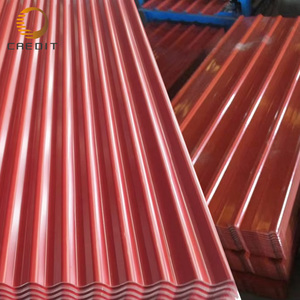
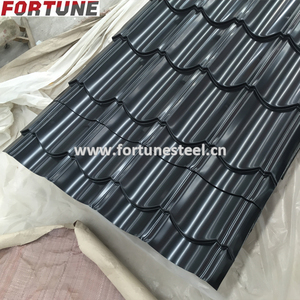
In high-performance industrial and commercial architecture, the building envelope is no longer merely a passive aesthetic surface; it functions as a highly engineered thermal, acoustic, and structural shield. Ribbed metal cladding systems—spanning trapezoidal box ribs, wave profiles, concealed fastener architectural panels, and cold-formed structural purlins—serve as the global benchmark for exterior wall and roofing assemblies. By leveraging continuous cold-roll forming, sophisticated metallurgy, and coil coating chemistries such as Polyvinylidene Fluoride (PVDF) and Super Durable Polyester (HDP), Chinese manufacturing hubs have evolved into precision technical partners for international Engineering, Procurement, and Construction (EPC) conglomerates.

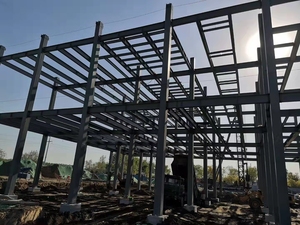
Selecting a certified manufacturer requires rigorous scrutiny of material yields (e.g., Q235B, Q345B, G550, ASTM A653 structural grades), anti-corrosion barrier weights (AZ150 Galvalume, Z275 zinc coatings), diaphragm shear capacities, and wind uplift resistance profiles validated by ASTM E1592 testing. Our Barka and Chinese integrated manufacturing facilities combine advanced roll-forming machinery, automated sandwich panel production lines, and complete secondary structural framing options, delivering single-source envelope accountability directly from the factory floor to global shipping berths.

Send an Inquiry Direct factory dispatch • Mill test certificates (MTC) with every coil • Containerized global export

Featured Ribbed Cladding, Substructural Framing & Building Systems

Engineered to perform in severe tropical, maritime, and aggressive industrial environments. Explore our eight core exported architectural components:

Send an Inquiry
15+ Continuous Forming Lines
65+ Export Destination Ports
1,200,000 m² Annual Metal Panel Output
100% ASTM / EN / ISO Compliant

Rib Geometry, Wind Uplift & Structural Spanning Matrix

Compare the engineering parameters of our standard industrial ribbed cladding configurations to determine load-bearing capabilities across varying purlin spacings.

Profile Designation Rib Height & Pitch Effective Cover Width Base Metal Thickness Yield Strength Wind Load (1.5m Span) Primary Application
TR-35 Industrial Box Rib 35mm height / 200mm pitch 1000 mm 0.50 – 0.80 mm G300 – G550 MPa 3.24 kN/m² Heavy industrial roofing & exterior wall cladding
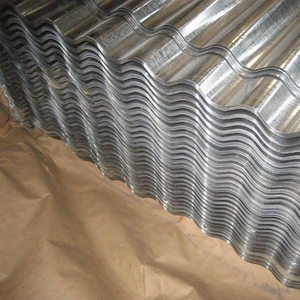
WR-18 Architectural Wave 18mm depth / 76mm sinusoidal 836 – 988 mm 0.45 – 0.70 mm G300 – G350 MPa 2.15 kN/m² Architectural facades, decorative feature walls
CF-38 Concealed Fastener 38mm interlocking rib 300 – 500 mm 0.60 – 0.90 mm G350 – G550 MPa 3.85 kN/m² High-end commercial facades, zero-penetration walls
MD-75 Composite Deck Rib 75mm trapezoidal flutes 600 – 750 mm 0.75 – 1.20 mm G350 – G450 MPa 6.50+ kN/m² Composite structural concrete intermediate flooring
CR-25 Curved Architectural 25mm radius-crimped rib 820 – 960 mm 0.50 – 0.75 mm G300 MPa (ductile) 2.60 kN/m² Barrel vault roofing, curved eaves, architectural transitions

Corrosion Mechanics & Chemistry Selection: Maximizing Service Life in Hostile Climates

Selecting ribbed metal cladding without a thorough analysis of atmospheric corrosivity (pursuant to ISO 12944 classification) is the primary cause of premature aesthetic and structural failure in coastal and heavy industrial zones. Chinese primary steel mills provide three principal substrate categories for international envelope procurement:

55% Al-Zn Galvalume (GL)

Composed of 55% aluminum, 43.4% zinc, and 1.6% silicon. The microscopic dendrite aluminum microstructure forms an impermeable barrier, delivering 3x to 6x the atmospheric corrosion resistance of standard HDG steel in standard industrial zones.

Z275 Heavy Galvanized (HDG)

Hot-dip zinc coating with 275g/m² total two-sided mass. Zinc serves as an active galvanic sacrificial anode, protecting exposed sheared sheet edges and punch holes from crevice oxidation and red rust initiation.

Architectural Aluminum (5052)

Al-Mg alloy offering an impervious natural oxide skin. Non-magnetic, non-sparking, and completely impervious to severe marine airborne salt fogs (C5-M environments). Delivers over 40 years of zero-maintenance building envelope service life.

PVDF 70/30 Kynar 500 Resin

Polyvinylidene Fluoride coating containing minimum 70% fluoropolymer resin. Boasts exceptionally high carbon-fluorine bond energy (485 kJ/mol), resisting solar UV photodegradation, gloss erosion, and chalking over 25+ certified years.

For specialized chemical processing facilities, agricultural structures, or marine port logistics warehouses, our coil-coating lines can also apply Plastisol (PVC 200μm) or High-Durability Polyester (HDP) coatings formulated with ceramic infrared-reflective pigments (Cool Roof Technology), delivering Total Solar Reflectance (TSR) values exceeding 72% to dramatically cut facility cooling loads.

Future Procurement Trends in Ribbed Metal Cladding (2025–2030)

How international EPC procurement directors and structural engineers are navigating carbon tariffs, modular construction, and high-performance building envelope demands.

Decarbonization & EPD

1. CBAM Compliance & Green Steel Sourcing

With the European Union Carbon Border Adjustment Mechanism (CBAM) and North American green procurement mandates advancing, tier-1 Chinese manufacturers are actively shifting to Electric Arc Furnace (EAF) steelmaking utilizing high percentages of recycled scrap. Verified third-party Environmental Product Declarations (EPDs) with documented cradle-to-gate Global Warming Potential (GWP) metrics are becoming standard tender prerequisites for envelope packages.

Renewable Integration

2. Solar-Ready Rib Profiles (BAPV/BIPV)

Commercial flat and pitched roof envelopes are increasingly specified as renewable power plants. Modern ribbed cladding profiles feature engineered crest flat dimensions and optimized crown geometries capable of accommodating standing-seam and direct-clamp solar mounting fixtures. This allows photovoltaic arrays to be secured without drilling holes into the weather barrier, eliminating the risk of roof leaks.

Digital Fabrication

3. BIM-Driven Automated Cut-to-Length

Direct integration between structural BIM models (Tekla, Revit) and computerized continuous roll formers enables mill-direct, project-exact panel nesting. By producing panels cut to specific bay spans—including pre-punched elongated fixing slots for thermal movement—job site scrap rates drop from traditional 8% field trimming losses to virtually zero.

Climate Resilience

4. Micro-Rib Anti-Oil Canning Textures

Architects increasingly demand wide, flat metal panel faces that maintain flat visual lines without unsightly thermal "oil-canning." Leading exporters now employ in-line micro-ribbing, striation forming, and tension leveling technology during cold forming. These subtle structural stiffening ribs break up reflections and dissipate planar thermal stress across large curtain wall surfaces.

Logistics Optimization

5. Complete Building Envelope Bundling

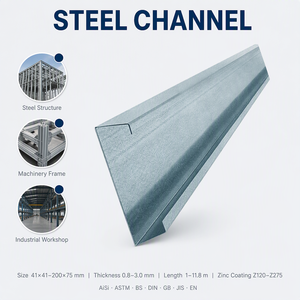
Procurement teams are moving away from fragmented sourcing. Rather than purchasing exterior profiled cladding from one vendor, secondary C/Z purlins from a second, and flashings or daylighting sheets from a third, buyers favor integrated suppliers. Sourcing the full structural envelope package from a single factory guarantees matching color lots, compatible thermal expansion tolerances, and optimized container packing cubes.

Thermal Performance

6. Continuous Insulated Metal Panels (IMP)

As energy conservation codes (ASHRAE 90.1, IECC) enforce stricter continuous insulation (ci) standards to mitigate thermal bridging, single-skin ribbed sheets are frequently specified alongside high-density Polyisocyanurate (PIR) and non-combustible Rockwool core sandwich panels. These composite units deliver proven R-values up to R-8 per inch while preserving the exterior ribbed visual rhythm.

R&D & Manufacturing Automation Advancements on Modern Chinese Production Lines

The production of architectural ribbed metal cladding in China has transitioned from standard multi-pass mechanical roll forming to smart manufacturing cells governed by closed-loop optical and mechanical feedback systems. Key technical advancements include:

  • Variable-Speed Multi-Stage Cold Roll Forming: Progressive shaping through up to 28 sequential chrome-plated tooling roller stations prevents localized micro-fissuring of the organic zinc-aluminum protective layers at extreme rib bend radiuses (0T to 1T bends).
  • In-Line Non-Contact Laser Thickness & Profile Gauging: Continuous automated inspection monitors profile pitch, crown squareness, and base metal thickness tolerances in real time, automatically rejecting deviations outside ±0.02mm.
  • Polyurethane Thermal Barrier Decoupling: High-end architectural cassette systems feature roll-crimped polyamide structural thermal break strips between the exterior ribbed facade skin and the interior liner tray, eliminating thermal bridging entirely.
  • Automated Seaworthy Packaging Systems: Fully automated winding lines interleave self-adhesive PE protective film, enclose panel bundles in multi-layer VCI vapor corrosion inhibitor kraft paper, and secure the finished bundle to reinforced steel-reinforced wooden skids engineered for secure container devanning.

Why Global EPC Leaders Partner With Us

Drawing from our dual manufacturing footprint in Barka, Sultanate of Oman (operating since 2009) and our expansive Chinese industrial production base, we offer end-to-end building envelope fabrication backed by documented quality management.

Integrated Manufacturing

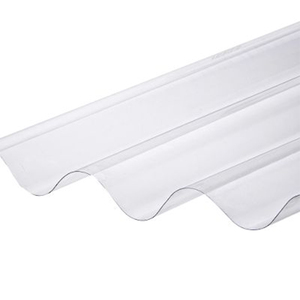
We operate dedicated continuous panel lines, cold-formed C/Z purlin punch roll formers, automated flashing folders, and FRP daylighting sheet lines under one unified quality management protocol.

Rigorous In-House Testing

Every coil lot undergoes ASTM B117 salt spray testing, cross-hatch adhesion verification, T-bend elasticity testing, and Elcometer coating thickness calibration before roll forming commences.

Strategic Export Logistics

Strategically positioned near major container terminals, we support mixed-item containerization (cladding + structural purlins + flashings + fixings), ensuring zero cargo shifting and minimal shipping costs.

Full Submittal Packages

We provide full structural engineering documentation, shop drawings, wind uplift calculations, third-party fire certifications (ASTM E84, EN 13501-1), and project-specific warranties up to 30 years.

Frequently Asked Technical & Sourcing Questions

Key technical answers for procurement directors, structural specifiers, and site engineers sourcing metal cladding systems.

How do you prevent visible "oil-canning" on long-span ribbed metal facade panels?
Oil-canning—the perceptible visual waviness in flat sections of cold-formed metal panels—is an inherent characteristic of thin-gauge sheet metal caused by residual rolling stress, uneven sub-framing alignment, or thermal expansion constraints. We actively mitigate oil-canning through four technical controls: (1) Utilizing tension-leveled, high-yield steel coils; (2) Introducing subtle architectural stiffening flutes or striations across flat pan widths exceeding 250mm; (3) Recommending minimum sheet thicknesses of 0.60mm for flat-faced architectural panels; and (4) Utilizing slotted fastener clips that allow unrestricted longitudinal thermal sliding as ambient temperatures cycle.
What are the exact coating specifications recommended for coastal and harsh marine atmospheres (ISO 12944 C4/C5 environments)?
For exterior envelopes located within 3 kilometers of open saltwater or within heavy chemical fallout corridors, standard 15μm/5μm Polyester (PE) coatings will experience micro-cracking and delamination within 5 to 7 years. We mandate: Substrate of minimum AZ150 Galvalume (150g/m² aluminum-zinc) or 5052-grade marine aluminum; Primer coating of high-build polyurethane or epoxy ≥10μm; Topcoat consisting of 70% Kynar 500 PVDF (Polyvinylidene Fluoride) ≥20μm, or thick-barrier 200μm Plastisol. This system achieves certified ratings exceeding 1,500 hours under ASTM B117 salt spray exposure and 1,000 hours of continuous UV-A cyclic condensation (ASTM G154) with zero blister formation.
How are profiled metal sheets protected against moisture condensation (white rust) during multi-week ocean transit?
"White rust" (zinc hydroxide formation) occurs rapidly when tightly stacked galvanized sheets are exposed to entrapped humidity and fluctuating temperatures in sealed ocean containers. To prevent in-transit corrosion, all our export material receives: (1) In-line chromate passivation or eco-friendly trivalent passivation sealing; (2) Application of vanishing forming oils or dry anti-fingerprint (AFP) resin films; (3) Precision interleaving of water-repellent Volatile Corrosion Inhibitor (VCI) protective papers; (4) Fully wrapped water-vapor-barrier plastic and galvanized steel corner edge protectors; and (5) Placement of heavy desiccating silica gel bags within every crated bundle.
Can your ribbed metal cladding and sandwich panel systems satisfy international Class A fire safety regulations?
Yes. Single-skin steel and aluminum ribbed cladding are completely non-combustible building materials under standard ASTM E136, BS 476 Part 4, and EN 13501-1 Class A1 testing. When procuring insulated sandwich panels, our structural rock mineral wool (density 100–120 kg/m³) provides up to 4 hours of certified fire resistance (EI240) and zero toxic smoke propagation. Our Polyisocyanurate (PIR) cores are formulated with advanced polyol ring structures delivering self-extinguishing performance, meeting ASTM E84 Flame Spread Index ≤ 25 and Smoke Developed Index ≤ 450 (Class A rating).
What are your standard Minimum Order Quantities (MOQ), production lead times, and custom color capabilities?
For standard RAL profile colors (such as RAL 9002 White Grey, RAL 9006 White Aluminum, RAL 7016 Anthracite Grey, RAL 5012 Light Blue) manufactured from standard stock coil inventory, our MOQ is 500 square meters, with typical factory production turnaround times of 7 to 12 days. For custom client color formulations, metallic mica finishes, or special substrate widths, minimum mill coil coating runs are approximately 15 metric tons per color. Complete containerized packing, custom length roll forming, and export dispatch are scheduled directly around shipping line sailings.
How does sourcing secondary structural steel framing (C/Z Purlins) together with cladding reduce overall project procurement risk?
Sourcing exterior cladding and substructural framing from disconnected vendors frequently leads to on-site assembly conflicts, such as misaligned bolt holes, mismatched pre-punched fastener pitches, and incompatible span deflection limits. By consolidating C/Z purlins, profile sheets, custom flashings, and self-drilling EPDM-bonded fasteners with us, our engineering team harmonizes the structural interaction. We calibrate purlin flange widths to accommodate sheet overlap dimensions and ensure correct galvanic isolation to prevent accelerated bimetallic corrosion between fasteners and cladding.

Ready to Engineer Your Project's Building Envelope Package?

Connect directly with our senior facade engineering and export logistics team. Send us your project drawings, architectural elevations, or tender bill of quantities (BOQ) for a comprehensive technical submittal and competitive factory-direct proposal.

Send an Inquiry

Fast turnarounds • Complete structural submittal packages • Sample swatches dispatched via DHL/FedEx upon request