
Source high-performance zinc-coated roofing, insulated composite panels, structural decking, and heavy-duty architectural hardware directly from our certified production lines.
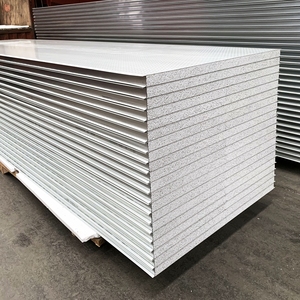
Engineered for lightweight thermal insulation and rapid dry-construction. Features high-tensile galvanized steel skins bonded to high-density expanded polystyrene.
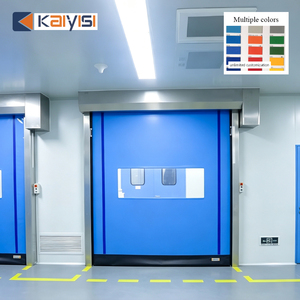
Precision cold-storage and logistics partition door engineered with a self-repairing zipper track, high-frequency radar sensors, and reinforced zinc-galvanized framing.
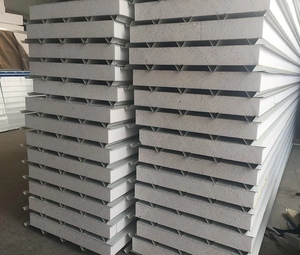
Flush-jointed cleanroom envelope panels with antibacterial PVDF coatings over zinc-treated steel faces, delivering hygienic seals for pharma and laboratory clean spaces.
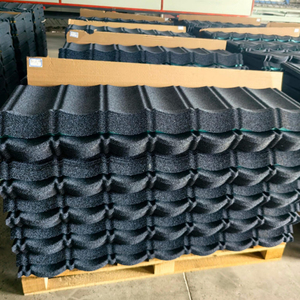
Galvalume steel substrate (55% Al-Zn) treated with natural basalt volcanic stone granules and acrylic resin coating. Engineered against severe UV, hail, and cyclonic winds.
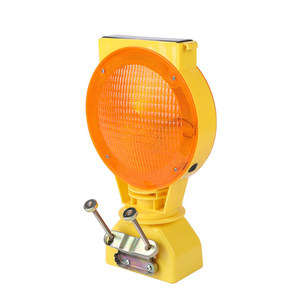
Heavy-duty optical safety signaling system engineered for construction staging, perimeter security, and mining zones with IP68 hermetic ingress protection against water and dust.
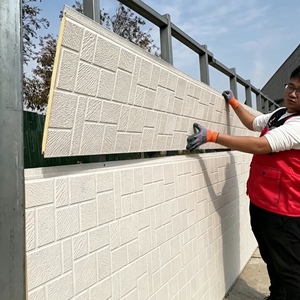
Architectural embossed zinc-galvanized exterior cladding boards backed with zero-ODP rigid PIR/PU insulation and moisture-resistant reflective aluminum backing foil.
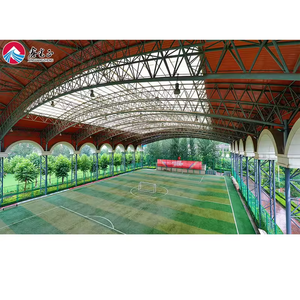
Heavy clear-span pre-engineered structural steel framing. Fully certified fabrication incorporating cold-formed Z & C purlins and heavy-duty structural zinc deck platforms.
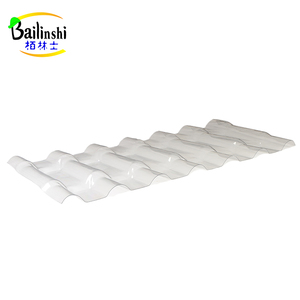
UV-stabilized, impact-resistant corrugated translucent panels engineered to nest seamlessly alongside profiled zinc metal roofing sheets for energy-saving natural illumination.
A rigorous metallurgical comparison of zinc coating formulations, mechanical load tolerances, and life-cycle anti-corrosion kinetics under high-chloride and industrial atmospheric stresses.
In structural civil engineering and industrial building design, zinc roofing sheets provide indispensable environmental durability due to their natural electrochemical properties. Unlike conventional barrier coatings that fail catastrophically upon micro-fissuring, metallic zinc offers true sacrificial cathodic protection. In the galvanic series, zinc acts as an anode relative to structural base steel. When moisture, ambient oxygen, and airborne electrolytes breach the coating layer, zinc preferentially ionizes (Zn → Zn²⁺ + 2e⁻), polarizing the exposed iron cathode and halting substrate oxidation.
Furthermore, atmospheric exposure prompts the formation of an insoluble, self-passivating protective skin composed sequentially of zinc oxide (ZnO), zinc hydroxide (Zn(OH)₂), and ultimately dense zinc hydroxycarbonate (2ZnCO₃·3Zn(OH)₂). This stable crystalline barrier dramatically curtails the ion exchange rate, reducing long-term annual surface loss in ISO 9223 C3 and C4 corrosion zones to below 0.8 μm/year. Modern Galvalume alloy substrates, featuring 55% aluminum, 43.4% zinc, and 1.6% silicon by weight, enhance this mechanism by creating an inter-dendritic aluminum-rich scaffolding that traps zinc corrosion products, yielding two to four times the lifespan of standard electro-galvanized sheeting.
| Substrate / Coating Specification | Standard Coating Mass (g/m²) | Yield Strength Range (MPa) | Salt Spray Resistance (ASTM B117) | Primary Engineering Applications |
|---|---|---|---|---|
| Hot-Dip Galvanized (HDG) Z275 | 275 g/m² (total both sides) | 280 – 550 MPa | > 500 Hours to 5% Red Rust | Industrial Warehouses, Z & C Purlins, Secondary Steel Framing |
| Aluzinc / Galvalume AZ150 | 150 g/m² (55% Al-Zn Alloy) | 300 – 550 MPa | > 1,500 Hours to Red Rust | Coastal Port Envelopes, Heavy Commercial Roofing, Aggressive Climates |
| Pre-Painted Galvalume (PPGL) + PVDF | AZ150 + 25μm Kynar 500 | 320 – 550 MPa | > 3,000 Hours Continuous | Architectural Stadiums, Landmark Towers, Chemical Plants |
| Composite Structural Decking | Z275 – Z350 Hot-Dip Zinc | 350 – 550 MPa | > 750 Hours Uncoated | Multi-Story Concrete Composite Floor Slabs & Formwork |
Global supply chain shifts, environmental taxonomy, and pre-engineered envelope integration require procurement officers to recalibrate material assessment models.
Institutional developers increasingly reject unrated or low-gauge (Z60–Z90) galvanized sheeting. Factoring maintenance repainting, thermal bridging, and insurance risks into a 30-year Total Cost of Ownership (TCO) model demonstrates that specifying high-mass AZ150 or Z275 alloys lowers structural envelope amortization costs by up to 42% over facility lifespans.
Mandatory Environmental Product Declarations (EPDs) and international CBAM regulations are shifting tender criteria toward electric-arc-furnace (EAF) primary coils. Sourcing from certified mills that document low cradle-to-gate embodied carbon per metric ton of rolled sheet is becoming a prerequisite for LEED and BREEAM certifications.
Procuring profile sheets, structural Z/C purlins, PIR insulated sandwich panels, translucent sky panels, and matching flashings from disjointed vendors introduces dimensional variance and differential thermal expansion failures. Tier-1 contractors now mandate integrated envelope packages fabricated under a unified quality assurance regime.
Breakthroughs in alloy chemistry, molecular coating matrices, and renewable energy integration redefine modern metal construction.
The addition of 1.5% to 3% magnesium into molten zinc-aluminum galvanizing baths generates a specialized micro-crystalline Zn₂Mg eutectic phase. In high-saline coastal settings, this alloy forms a self-healing simonkolleite liquid film that seals punched cut-edges, fastener penetrations, and micro-cracks without requiring supplemental touch-up paint.
Modern PVDF fluoropolymer and high-durability polyester finishes integrate ceramic infrared-reflective pigments. Despite dark architectural colorations, these finishes maintain a Solar Reflectance Index (SRI) exceeding 78, curbing roof surface temperatures by up to 25°C and reducing industrial facility HVAC power draw.
Next-generation 360-degree double-lock standing seam zinc profiles incorporate raised-rib geometric tolerances specifically tailored for non-penetrating S-5! clamp attachments. This structural compatibility allows direct integration of frameless photovoltaic modules without risking water barrier perforations.
Operational from our state-of-the-art Barka manufacturing complex since 2009, PTI combines rigorous European machinery, comprehensive testing protocols, and complete envelope package integration.
Automated high-speed profiling lines, continuous PIR/PU and Rockwool injection foaming plants, heavy hydraulic press benders, and computerized purlin roll formers deliver mill-direct quality without intermediate markup.
Incoming coil tensile analysis, T-bend adhesion validation (ASTM D4145), coating thickness magnetic verification, and third-party fire reaction assessments (ASTM E84 / EN 13501-1) back every certified production batch.
In-house structural and facade engineering teams supply comprehensive shop drawings, purlin static load span tables, wind uplift calculations, and certified fastener layout patterns to consulting engineers and contractors.
Delivering envelope structural integrity across challenging commercial and government developments.
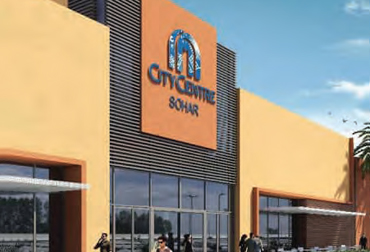
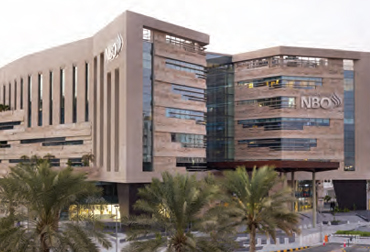

Addressing core engineering, metallurgical, and supply chain criteria commonly evaluated by consulting structural engineers, facade consultants, and procurement managers.
Z275 features a 275 g/m² total hot-dip zinc coating delivering sacrificial protection well-suited for moderate rural and standard industrial conditions (expected life: 15–25 years). AZ150 contains 55% aluminum, 43.4% zinc, and 1.6% silicon. The microscopic aluminum matrix prevents continuous oxidation, providing 30 to 50 years of performance in high-humidity, marine, and saline coastal environments—outlasting standard zinc galvanizing up to fourfold.
Galvanic corrosion occurs when metals with dissimilar electrochemical potentials are connected by an electrolyte. To guarantee system integrity, zinc roof sheets must be installed using high-grade austenitic stainless steel (AISI 304/316) or zinc-tin mechanically coated carbon steel fasteners fitted with vulcanized EPDM washers. Direct contact with untreated raw copper, brass, or lead flashings must be strictly prevented through non-conductive dielectric isolation barrier membranes.
Polyurethane (PU) provides maximum thermal efficiency (thermal conductivity λ ≈ 0.022 W/m·K) at an economical weight, ideal for standard cold storage. Polyisocyanurate (PIR) delivers equivalent thermal retention with modified molecular ring cross-linking that yields superior self-extinguishing fire behavior (B-s1, d0). Rockwool features a high-density mineral fiber matrix delivering Euroclass A1 non-combustibility and acoustic dampening, recommended for high-risk industrial facilities and structural firewalls.
Permissible purlin spacing is governed by profile depth, sheet base metal thickness (BMT: typically 0.40mm to 0.80mm), section modulus, and local ultimate design wind pressures calculated per ASCE 7-22 or Eurocode 1. For a standard 35/200 trapezoidal zinc profile (0.50mm BMT), purlin centers generally span 1.2m to 1.5m under typical industrial loads. In coastal or cyclonic perimeter edge zones, spacing must be narrowed or double-fastened per crest to resist suction uplift forces.
Yes. Continuous roof slopes exceeding 30 meters benefit significantly from single-length sheets to eliminate transverse end laps, which represent the primary vulnerability for capillary water entry on low-pitch roofs (under 5 degrees). Paneltech operates containerized mobile roll-forming equipment capable of continuous on-site production directly at eaves height, matching exact roof rafter lengths.
Procurement submissions require: (1) Certified Mill Test Certificates (MTCs) detailing base metal chemistry and coating mass per heat number, (2) Third-party laboratory salt-spray and fire-resistance reports, (3) Structural section property calculation sheets validated by a registered structural engineer, (4) Coated finish warranty certificates (e.g., PVDF 20–30 year weatherability), and (5) Detailed architectural shop drawings showing flashings, thermal breaks, and fastener patterns.
Connect with our technical facade engineering and metal envelope specialists in Barka, Oman. Receive complete material datasheets, wind uplift calculation models, customized sample sets, and certified factory-direct pricing for your project schedule.