
Source comprehensive building envelope packages directly from our automated roll-forming and composite laminating lines. Fully compatible with DPWH structural guidelines and Philippine environmental standards.
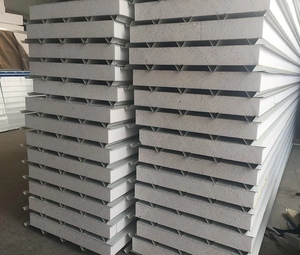
Moisture-resistant, eco-friendly insulated partition slabs optimized for pharmaceutical chambers, semiconductor cleanrooms, and food packing facilities across Laguna and Cavite PEZA parks.
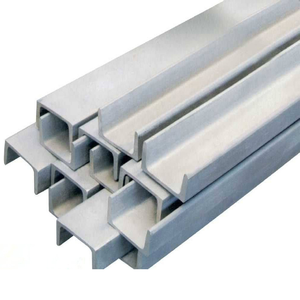
Heavy-gauge cold-formed structural steel channels providing high section modulus and load-bearing strength for industrial shed roofs and commercial mezzanines under high wind loads.
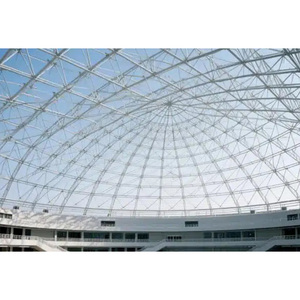
Precision-welded HDG steel roof truss assemblies engineered for logistics warehouses, agricultural barns, and aircraft hangars with rapid on-site bolted connections.
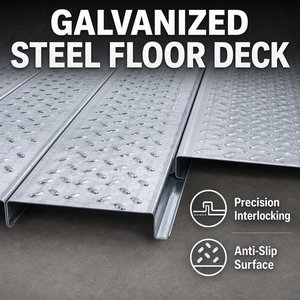
High-tensile galvanized metal deck profiles serving as permanent composite formwork for high-rise commercial structures and BPO towers in Metro Manila and Metro Cebu.
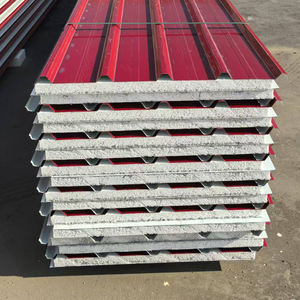
Continuous line-injected rigid polyurethane and polystyrene insulated panels delivering exceptional thermal conductivity ratings to cut HVAC energy costs in tropical logistics hubs.
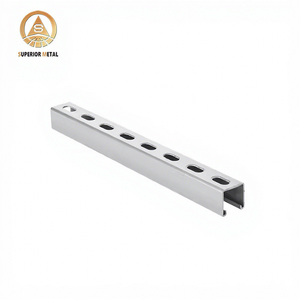
Anti-corrosion hot-dipped zinc coated purlins (Z275/Z300) engineered for coastal port zones, power plants, and maritime structures to prevent edge-creep corrosion.
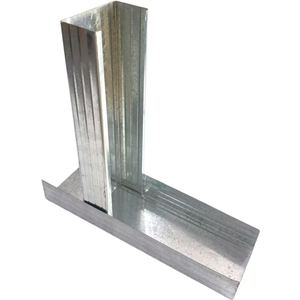
Light-gauge galvanized steel CD, UD, and hat-batten profiles built for precise alignment, fire resistance, and high acoustic performance in commercial partitioning.
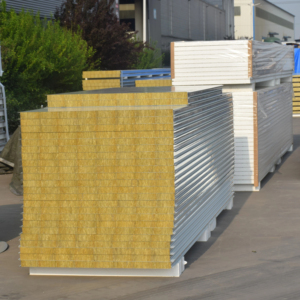
Class A non-combustible basal-rock mineral wool sandwich roofing sheets providing up to 120 minutes of fire containment, meeting strict Bureau of Fire Protection (BFP) codes.
An engineering review of continuous filament-matrix resin cross-linking, UV polymer stabilization, and mechanical resilience against Category 5 typhoon uplift dynamics.
The Philippine archipelago represents one of the world's most aggressive atmospheric degradation environments for industrial building envelopes. Situated squarely within the Western Pacific Typhoon Belt and the Intertropical Convergence Zone (ITCZ), structures in Luzon, Visayas, and Mindanao face severe multi-vector challenges: extreme solar Ultraviolet radiation (UV Index frequently exceeding 11–12), prolonged monsoon precipitation (Habagat), intense saline airborne electrolytes in coastal zones, and sustained ambient relative humidity hovering between 75% and 90%. Traditional pre-painted galvanized iron (PPGI) and low-grade polycarbonate roofing sheets frequently fail within 24 to 36 months, suffering from accelerated zinc chalking, cut-edge galvanic rust, photo-oxidative micro-cracking, and premature structural brittleness.
As China's premier manufacturer and exporter of continuous-molding Fiberglass Reinforced Polymer (FRP / GRP) Roofing and Daylighting Sheets, our automated manufacturing facilities integrate advanced polymeric chemistry with continuous E-glass fiber reinforcement. By impregnating alkali-free E-glass roving and chopped strand mats into high-grade isophthalic polyester or vinyl ester resins under calibrated continuous pultrusion heat matrices, we produce composite sheets with exceptional flexural strength (>140 MPa) and barcol hardness (>45). Our specialized exterior weathering barriers—featuring co-extruded DuPont Melinex® 301 / 389 anti-aging protective films and high-purity polymer gel coats—block 99% of damaging UV light while providing uniform, diffused interior daylight transmission without creating focal thermal hot-spots.
To assist Philippine structural engineers, MEP consultants, and general contractors in making data-driven procurement decisions, the following matrix compares industrial continuous-line FRP sheets against conventional commercial building alternatives:
| Engineering Property | Heavy-Duty FRP Sheets (PTI Series) | Standard Polycarbonate (PC) | Pre-Painted Galvanized Steel (0.4mm GI) |
|---|---|---|---|
| Primary Resin / Core | Isophthalic Unsaturated Polyester + E-Glass | Thermoplastic Polycarbonate polymer | Cold-rolled steel with Zinc/Alu-Zinc coating |
| Coastal Salt-Spray Resistance (ASTM B117) | Exceeds 4,000 Hours No blister, no oxidation | Pitting & haze formation within 1,200 hrs | Edge creep & red rust onset at 500–800 hrs |
| Chemical & Acid/Alkali Resistance | Immune to NH₃, H₂SO₄, HCl, and maritime chlorine | Sensitive to organic solvents & amines; hazing | Rapid chemical pitting; sacrificial zinc loss |
| UV Degradation Resistance (QUV 3,000 hrs) | Melinex 301 film; Yellowing Index ΔYI < 2.5 | High surface crazing; ΔYI > 12.0 (turns yellow) | Paint chalking, pigment fading, polymer peel |
| Thermal Expansion Coefficient | 2.2 × 10⁻⁵ cm/cm/°C (Matches Steel Purlins) | 6.7 × 10⁻⁵ cm/cm/°C (High expansion stress) | 1.2 × 10⁻⁵ cm/cm/°C |
| Hail & Debris Impact (ASTM D5420) | No puncture; high fiber energy dissipation | High initial impact; cracks when aged | Permanent plastic denting; coating fractures |
| Average Service Life in PH Coastal Zones | 20 to 25 Years Maintenance-Free | 3 to 5 Years before embrittlement | 4 to 7 Years before severe perforation |
Crucially for structural designers, the thermal expansion coefficient of our FRP daylighting panels is virtually identical to that of cold-formed structural steel C/Z purlins. This mechanical compatibility eliminates the ovalization of fastener holes, tear-out shearing, and subsequent monsoon water intrusion—a pervasive structural failure mode observed in polycarbonate sheets across warehouse developments in Bulacan, Batangas, and Cebu.
From high-humidity agricultural livestock complexes in Central Luzon to coastal PEZA economic zones in Calabarzon and heavy maritime ports across the Visayas, our composite sheets deliver mission-critical resilience.
Industrial pig farms and poultry broiler complexes in Pampanga, Batangas, and Bukidnon generate dense concentrations of atmospheric ammonia gas (NH₃), hydrogen sulfide, and animal waste moisture. Galvanized metal sheets corrode into rusted perforations in such environments within 18–30 months. Our chemical-grade opaque and translucent FRP roofing panels resist all organic acids, prevent droplet condensation dripping, and withstand high-pressure bio-sanitization washdowns, safeguarding animal biosecurity for decades.
In logistics distribution centers across the Clark Freeport Zone, Subic Bay, and Cavite, commercial electricity tariffs are among the highest in Southeast Asia. Incorporating our 1.5mm to 2.0mm trapezoidal profile-matched FRP daylighting skylights (engineered to lap seamlessly with steel sandwich panels and corrugated sheets) illuminates expansive warehouse floors with shadow-free natural daylight. This allows facility operators to turn off high-bay LED fixtures during 10 hours of daytime operation, slashing power overhead by up to 35%.
Fertilizer compounding hubs, chlor-alkali chemical processing facilities, electroplating workshops, and commercial foundries produce acidic fumes that destroy metal roofing structures. Our fire-retardant Class 1/Class 2 resin-formulated FRP composite panels eliminate electrical conductivity risks and remain impervious to acid mist, salt spray, and alkali steam, meeting stringent safety specifications for industrial facilities in Bataan and Iligan.
Fisheries, seafood cold-storage docks, and canning factories situated directly along the coastline in General Santos, Navotas, Zamboanga, and Roxas City confront continuous sea-breeze salt spray. Metallic roofing suffers rapid electrolytic rust beneath the lap-joints. Non-reactive FRP panels coupled with 316 stainless steel or composite fasteners eliminate rust staining and provide hygienic, washable interior ceiling envelopes compliant with Philippine FDA food facility standards.
From shopping mall transport terminals and LRT/MRT pedestrian walkways in Metro Manila to institutional stadium canopies in Davao, our tinted and frosted architectural FRP sheets deliver soft visual light transmission (20% to 65% custom tailored), superior sound dampening during tropical downpours compared to noisy single-skin GI sheets, and striking modern aesthetic appeal.
Under the Philippine National Building Code (PD 1096) and DPWH resilience mandates, public evacuation gymnasiums and disaster coordination structures require envelope materials that maintain structural fastening integrity when hit by flying debris and cyclonic wind shear forces exceeding 250 km/h. High-tensile woven roving FRP composites absorb dynamic impact stresses without catastrophic fracturing.
The construction sector across the Philippines is undergoing a major structural evolution driven by the national government's "Build Better More" (BBM) Infrastructure Program, rapid expansion in cold-chain logistics hubs, and stringent private sector adoption of green building certifications including BERDE (Building for Ecologically Responsive Design Excellence) and the World Bank Group’s EDGE Certification. These frameworks are fundamentally altering how real estate developers, structural engineers, and general contractors evaluate long-term building envelope life-cycle costing (LCC).
Historically, Philippine low-rise warehouse developers prioritized lowest upfront procurement cost, relying on generic 0.4mm–0.5mm pre-painted galvanized iron (GI) sheeting. However, escalating labor replacement costs, disrupted factory operations during re-roofing, and recurrent monsoon leaks have shifted project accounting models. Corporate institutional developers now calculate 20-year Net Present Value (NPV), recognizing that premium continuous-line FRP sheets eliminate the two to three re-roofing cycles mandatory for conventional steel roofs in coastal or chemically aggressive settings.
With the enactment of the Philippine Cold Chain Industry Road Map, multi-temperature storage facilities are proliferating rapidly across Cavite, Laguna, Batangas, Bulacan, and Cagayan de Oro. Building envelopes for cold storage mandate airtight, moisture-impermeable integration between insulated ceiling sandwich panels (PIR, PU, Rockwool) and exterior roofing skins. Our custom-profiled FRP weathering caps and vapor-barrier cladding sheets eliminate thermal bridging and exterior surface condensation corrosion.
Philippine industrial facilities are aggressively installing rooftop photovoltaic (PV) solar arrays to hedge against high Meralco commercial energy rates. When metal roofs rust beneath solar arrays, repairing or replacing the roof requires the complete de-installation of the PV panels, incurring massive downtime and cost. Specifying non-corrosive, heavy-duty FRP decking sheets beneath solar mounting arrays guarantees a 25-year structural service life matching the operational lifespan of tier-1 solar modules.
Tested and documented according to ASTM international standards for composite polymers.
| Physical / Mechanical Property | Testing Standard | Certified Value / Range | Significance for Philippine Projects |
|---|---|---|---|
| Fiberglass Content Ratio | ASTM D2584 | ≥ 30% to 33% (Continuous E-Glass) | Guarantees high structural rigidity & flexural resilience |
| Tensile Strength | ASTM D638 | ≥ 100 – 125 MPa | Prevents fastener tear-out during extreme typhoon suction |
| Flexural Strength | ASTM D790 | ≥ 160 – 190 MPa | Allows broad purlin spans (up to 1.5m) with minimal deflection |
| Barcol Surface Hardness | ASTM D2583 | ≥ 45 – 52 | Resists surface scratching, scuffing, and foot-traffic wear |
| Thermal Conductivity (λ) | ASTM C177 | 0.158 W/m·K | Excellent natural thermal insulator; reduces indoor radiant heat |
| Visible Light Transmission | ASTM D1003 | Clear: 82%–88% | Opal Diffused: 55%–68% | Illuminates factory floor interiors without ocular glare |
| Operating Temperature Range | Factory Thermal Cycle | -40°C to +130°C | No thermal softening under peak mid-day Philippine sun (85°C roof) |
| Flame Spread Classification | ASTM E84 | Class A (≤25) or Class B (≤75) Available | Meets RA 9514 (Fire Code of the Philippines) specifications |
Practical commercial, technical, and regulatory clarity for engineering firms, project developers, and hardware importers sourcing directly from China.
Combining continuous high-precision composite lamination with heavy cold-formed structural steel and insulated sandwich panel manufacturing under one roof.
Unlike specialized traders who only sell single product lines, our comprehensive factory group produces the entire industrial building shell: continuous FRP daylighting sheets, cold-formed C/Z purlins, heavy prefabricated structural trusses, insulated PIR/EPS/Rockwool sandwich wall and roof panels, and composite floor decking. Philippine contractors can consolidate an entire warehouse envelope into unified container shipments, saving up to 25% on international logistics, handling, and broker overhead.
We source premier raw components exclusively from global industry leaders: 100% alkali-free continuous roving from Jushi / Owens Corning, optical-grade unsaturated polyester resins from Ashland, and high-tenacity weathering films from DuPont. Every production run undergoes automated infrared resin curing checks, tensile testing, spectrophotometric light transmission calibration, and Barcol hardness verification with full Mill Test Certificates (MTC) supplied.
Ocean transit demands heavy-duty protective packing to safeguard fragile sheet edges against dynamic container shifting and coastal humidity. Our products are stacked on custom heavy-duty steel or fumigated wooden pallets, wrapped in multi-layer PE moisture-barrier films, fitted with high-density edge corner protectors, and steel-banded with internal dunnage air bags. Panels up to 11.8 meters in length slide smoothly into standard 40ft High Cube (40HQ) containers for rapid fork-truck offloading at your jobsite.
Consult with our structural composite engineering division. We provide profile matching assistance, wind-load uplift span calculations for Philippine building codes, free project sample kits, and official Form E preferential tariff documentation.