Precision-manufactured building materials optimized for cold stores, reefer sorting hubs, and industrial cleanrooms operating under high ambient enthalpy and coastal marine conditions.
The cold chain infrastructure across Mumbai, Navi Mumbai, and the industrial belts of Thane, Taloja, and Bhiwandi operates in one of the most punishing thermodynamic environments in South Asia. Characterized by severe marine humidity exceeding 85% RH throughout the southwest monsoon, constant atmospheric salinity from the Arabian Sea, and prolonged ambient temperatures above 36°C, industrial refrigeration facilities face massive vapor pressure gradients. Under these environmental stressors, conventional cold storage enclosures suffer from interstitial moisture accumulation, thermal bridging, and premature corrosion of sheet cladding.
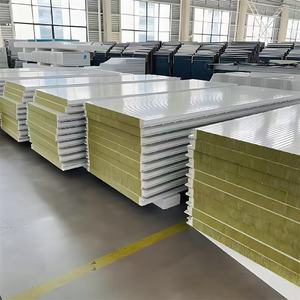
As a seasoned custom OEM cold room panel manufacturer and global exporter established in 2009, we engineer continuous-line Polyisocyanurate (PIR), Polyurethane (PU), and high-density Rockwool sandwich panel envelopes specifically calibrated to combat vapor permeation, minimize refrigeration compressor runtimes, and resist C4/C5 marine-atmospheric corrosion across coastal Maharashtra.
Double tongue-and-groove cam-lock joints with factory-applied non-hardening butyl vapor gaskets prevent moist ambient air infiltration into low-temperature interiors.
Microcellular, rigid pentane-blown foam formulations achieve high closed-cell ratios (>95%), maintaining insulation stable down to -40°C blast freezing conditions.
Skin options include PVDF 70/30 fluorocarbon-coated Al-Zn alloy steel and antibacterial food-grade Plastisol sheets engineered for extreme salt-fog resilience.
Specifying the optimal thermal envelope requires a precise balance between thermal resistance (R-value), mechanical flexural strength, acoustic attenuation, and reaction to fire. In critical cold room installations across Mumbai—such as APMC Vashi agricultural logistics or MIDC pharmaceutical formulation zones—the choice of insulating core determines regulatory compliance with local fire authorities (MIDC and Municipal Corporation of Greater Mumbai) and lifecycle energy expenditure.
| Performance Characteristic | PIR (Polyisocyanurate) Core | Rigid PUF (Polyurethane) Core | Basalt Rockwool Core |
|---|---|---|---|
| Nominal Core Density | 40 – 42 kg/m³ | 38 – 40 kg/m³ | 100 – 120 kg/m³ |
| Thermal Conductivity (λ) | 0.020 – 0.022 W/m·K | 0.022 – 0.024 W/m·K | 0.038 – 0.042 W/m·K |
| Fire Reaction (EN 13501-1) | Class B-s1, d0 (Flame retardant) | Class B2 / B3 | Class A1 / A2-s1, d0 (Non-combustible) |
| Closed-Cell Content | ≥ 95% | ≥ 90% – 93% | Open fiber matrix (hydrophobic) |
| Compressive Yield Strength | ≥ 150 kPa | ≥ 130 kPa | ≥ 80 kPa |
| Operating Temperature Limits | -45°C to +100°C | -40°C to +80°C | -20°C to +750°C |
| Primary Mumbai Application | CA Cold Stores, Blast Freezers, Pharma | Chilled Warehousing, Packhouses | Fire Partition Walls, Acoustic Enclosures |
The logistics fabric of Greater Mumbai is distinct in its geographic constraints, sea-port proximity, and hyper-dense urban corridors. Our custom OEM cold room panels are manufactured to address the exact demands of key commercial hubs:
Handling thousands of refrigerated containers weekly for seafood, meat, and pharmaceutical export, CFS (Container Freight Station) facilities in Uran and Dronagiri require heavy-duty dock-level cold storages. Our 150mm to 200mm continuous PIR panels provide uninterrupted thermal envelopes for ante-rooms and staging chambers, eliminating condensation during high-throughput pallet transfers from reefer trucks to maritime containers.
The Agricultural Produce Market Committee (APMC) in Vashi serves as the primary gateway for fruits, vegetables, and perishables consumed by 20+ million residents. We supply custom modular panels equipped with high-yield tongue-and-groove cam-lock assemblies that allow fast erection within cramped urban boundaries, supporting multi-commodity cold rooms with independent controlled atmospheres (CA).
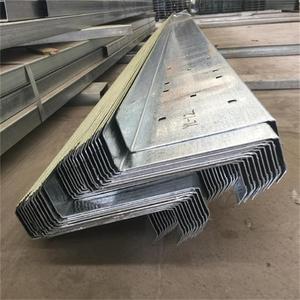
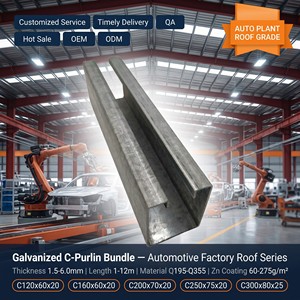
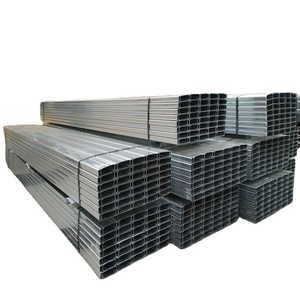
As the primary warehousing corridor for Mumbai, Bhiwandi hosts colossal distribution facilities for e-grocery majors (Blinkit, Zepto, Swiggy Instamart) and multi-temperature 3PL operators. Our large-span panels, supported by engineered cold-formed Z-section and C-shaped purlins, enable tall ceiling heights (>12 meters) with minimal internal steel frames, reducing overall capital expenditure while optimizing vertical cube storage.
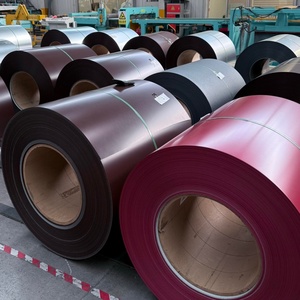
Maharashtra's pharmaceutical manufacturing ecosystem requires strict compliance with US-FDA and WHO-GMP 21 CFR standards. We deliver food-grade, antimicrobial antibacterial coated prepainted galvanized steel (PPGI) panels that withstand rigorous sanitization protocols, non-shedding cleanroom ceilings, and -80°C ultra-low freezer structural enclosures.
Seafood export operations along the Konkan belt require Individual Quick Freezing (IQF) tunnels operating at -35°C to -45°C. With aggressive saltwater exposure, we fabricate insulated panels clad with Grade 304 or 316 Stainless Steel skins, preventing pit corrosion and bacteriological contamination while ensuring airtight thermal seals.
Procurement teams in Maharashtra are transitioning from fragmented, low-performance traditional PUF installations to precision-engineered industrial envelope systems due to several converging factors:
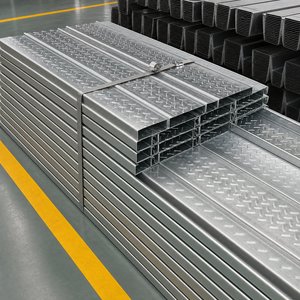
Established in 2009 in Barka, Sultanate of Oman, Paneltech International LLC has developed world-class production capabilities spanning automated continuous sandwich panel laminating lines, automated roll-forming machines for heavy structural C and Z purlins, metal floor decking, and precision sheet metal folding. Our direct geographical position along the maritime shipping lane between the Gulf and the West Coast of India gives Mumbai contractors a decisive competitive advantage:
For chill rooms (+2°C to +8°C), an 80mm to 100mm PIR panel is standard. For medium-temperature storage (-5°C to 0°C), 100mm to 120mm is advised. For commercial freezers (-18°C to -25°C), we recommend 150mm PIR panels. For blast freezers (-35°C to -40°C) common in seafood processing hubs, 175mm to 200mm PIR panels are critical to prevent external surface condensation when relative humidity surpasses 85%.
We supply external steel facings with PVDF (polyvinylidene fluoride) or Super Durable Polyester (SDP) coatings applied over high-mass Zinc/Al-Zn alloy metallic coatings (AZ150 / Z275). This metallurgy resists aggressive chloride ion deposition and salt spray fog (ISO 12944 C4/C5 Corrosivity Categories), preventing premature red rust.
Standard sea freight from Oman to JNPT Nhava Sheva takes only 3 to 5 days on the water. Panel packages are bundled with protective protective films and reinforced timber skids to withstand ocean container handling. Import clearance can be handled under standard EPCG or project import documentation, supported by our comprehensive commercial invoices, packing lists, and Certificates of Origin.
Yes. Our cold room panels for food and dairy applications utilize non-toxic, antibacterial Food Safe PVC Plastisol or clean-wipe polyester finishes. Internal corners are detailed with specialized extruded sanitary coving (food-grade PVC or aluminum profiles) to prevent bacteriological growth and facilitate washdown cleaning.
Our continuous OEM panel lines incorporate precision tongue-and-groove profiles designed for deep nesting. In high-humidity coastal zones like Mumbai, our systems integrate continuous dual vapor-seal beads at the interlock joints, complemented by thermal break spacers and factory-routed cam-locks, completely isolating the inner sub-zero atmosphere from the exterior air.