
Precision-manufactured building systems, profiled cladding, high-tensile structural purlins, and specialized access systems tailored for Vietnamese industrial zones.
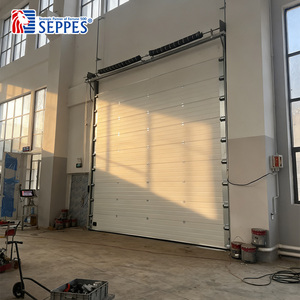 Access Envelope
Heavy-duty perimeter security with high-density polyurethane insulated panels. Engineered for Vietnamese logistics centers, cold chain warehouses, and deep-water port facilities.
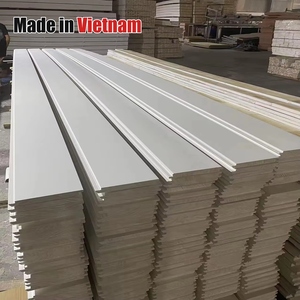 Architectural
Precision tongue-and-groove boards treated for tropical mold and pest resistance. Designed for executive plant offices, hospitality resorts, and showroom interiors in Southeast Asia.
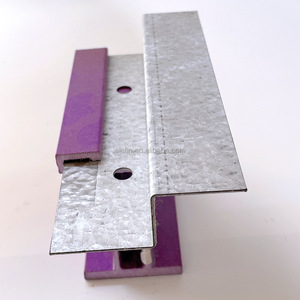 Structural Secondary
Cold-formed structural secondary members with continuous lap design. High zinc coating provides exceptional defense against coastal humidity in industrial zones like Hai Phong and Vung Tau.
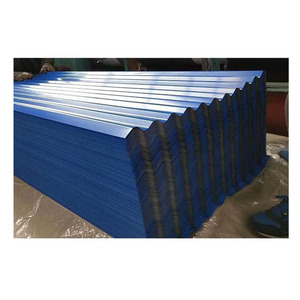 Profiled Roofing
PVDF and high-durability polyester-coated pre-painted galvanized roofing sheets. Features high solar reflectance (SRI) to slash HVAC operating costs across high-heat Vietnamese provinces.
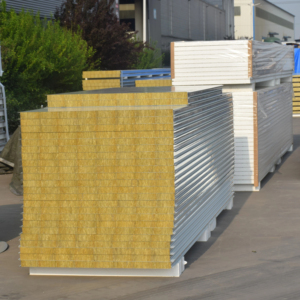 Fire-Rated Composite
Class A1 non-combustible rock wool core bonded to profiled galvanized steel. Full compliance with Vietnam's mandatory QCVN 06:2022/BXD fire protection construction codes.
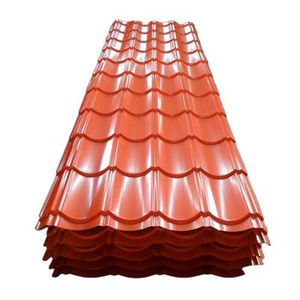 Curved Architectural
Precision crimp-curved roofing sheets engineered with ductile DX51D+Z substrate. Ideal for self-supporting canopies, bulk storage aircraft hangars, and arched agro-processing sheds.
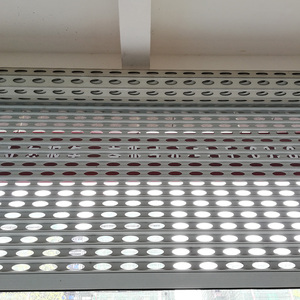 Ventilated Security
Continuous cold-rolled galvanized steel laths with custom perforation for smoke evacuation and controlled ventilation. Ideal for automated logistics hubs and coastal manufacturing docks.
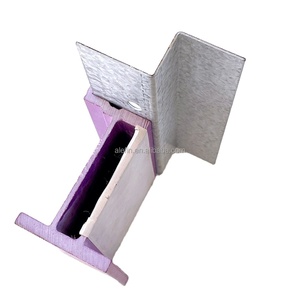 Engineered Framing
Heavy-gauge Z-purlins roll-formed from S350GD / S550GD structural steel. Pre-punched for rapid bolt-up assembly, ensuring resilience against monsoon winds and typhoon uplifts.
Download our complete technical engineering manual, containing full load-span tables, coating thickness comparison sheets, wind-uplift data, and localized pricing for delivery to Hai Phong and Ho Chi Minh ports.
An authoritative technical analysis of zinc coating masses, substrate chemistry, and atmospheric corrosivity ratings in Southeast Asia's harshest tropical environments.
Vietnam possesses an extensive coastline stretching over 3,260 kilometers, characterized by ambient relative humidity persistently oscillating between 78% and 92%, annual precipitation exceeding 2,000 millimeters, and concentrated airborne sodium chloride (marine aerosols). For industrial specifiers, structural engineers, and general contractors operating in key manufacturing provinces such as Quang Ninh, Hai Phong, Da Nang, Dong Nai, and Ba Ria-Vung Tau, roofing sheet failure is predominantly governed by electrochemical galvanic corrosion rather than mechanical shear.
When unprotected carbon steel sheets are exposed to this tropical cocktail, ambient moisture acts as a continuous electrolyte, initiating iron oxide oxidation (ferric hydroxide) at catastrophic rates—often consuming up to 80 microns of unprotected base metal per annum in ISO 9223 Corrosivity Category C5-M (Marine Coastal) environments. Our hot-dip galvanized (GI) and 55% Aluminum-Zinc alloy coated (Galvalume / Aluzinc) profile sheets provide a dual-stage sacrificial anode and barrier shield. Zinc sacrificially prioritizes its own electrochemical dissolution over the ferrous substrate at sheared edges, punched fastener apertures, and surface scratches, continuously precipitating a zinc hydroxycarbonate patina [2ZnCO3·3Zn(OH)2] that hermetically seals the core.
Technical Distinction: Standard ASTM A653 commercial zinc coatings (Z120 with ~17µm total thickness) frequently fail within 24–36 months in coastal Vietnamese industrial estates. For infrastructure investments targeting 20+ year life cycles, specifying minimum Z275 (275 g/m² total two-sided coating mass) or AZ150 (Al-Zn alloy) is an engineered necessity.
Selecting the optimal metallic coating for projects in Vietnam requires matching site-specific atmospheric chemicals against alloy performance. In agro-industrial, fertilizer handling, and livestock applications in the Mekong Delta (Can Tho, Long An), pure hot-dip galvanized steel (GI) exhibits superior resistance to alkaline and ammonia (NH3) vapors compared to aluminum-containing coatings. Aluminum undergoes rapid amphoteric breakdown when pH levels exceed 9.0 or drop below 4.0.
Conversely, for electronics assembly corridors, general light manufacturing, and dry logistics warehouses in interior regions (Bac Ninh, Thai Nguyen, Binh Duong), Galvalume (55% Al, 43.4% Zn, 1.6% Si) delivers up to 3 to 4 times the barrier durability of pure zinc under neutral neutral-salt fog exposures. Below is an engineering baseline matrix governing our exported structural profiles and roofing panels:
| Coating Standard | Nominal Weight (g/m²) | Sacrificial Anode Action | Thermal Reflectivity | Recommended Vietnamese Region | Corrosivity Class (ISO 9223) |
|---|---|---|---|---|---|
| GI - Z180 | 180 (Two-sided) | High Edge Protection | Moderate (65%) | Inland Northern Highlands (Hanoi, Vinh Phuc) | C2 - C3 (Urban / Light Industrial) |
| GI - Z275 | 275 (Two-sided) | Exceptional Cut-Edge Defense | Moderate (68%) | Coastal Ports (Hai Phong, Cai Mep, Da Nang) | C4 - C5-M (Marine / High Saline) |
| GL - AZ150 | 150 (55% Al-Zn) | Moderate Edge Protection | High (82% Solar Reflectance) | Southern Industrial Corridors (Binh Duong, VSIP) | C3 - C4 (Industrial Moderate) |
| ZAM - ZM200 | 200 (Zn-Al-Mg) | Self-Healing Hydrozincite Film | Very High (84%) | Chemical Processing, Mekong Delta Agro-Hubs | C5-I / C5-M (Heavy Chemical & Marine) |
Under Vietnam's stringent building regulations, metal roofing skins and cold-formed secondary framing (Z-girts and C-channels) cannot be considered in isolation. When typhoon winds slam the Central and Northern coastlines, wind suction generates immense negative uplift loads at eaves, ridges, and corner zones. Roofing sheets roll-formed from low-yield commercial steels (such as untreated DX51D) can suffer fastener pull-over or longitudinal profile buckling under severe storm cycles.
Our export lines utilize high-strength structural grade steels including S350GD, S500GD, and S550GD (minimum yield strengths of 350 to 550 MPa) per EN 10346 and ASTM A653M standards. When integrated into 5-rib or 6-rib trapezoidal geometry featuring a 32mm to 38mm crest height, our galvanized roofing sheets achieve exceptional moment-of-inertia figures, permitting extended secondary purlin spacing of up to 1.8 to 2.2 meters without mid-span deflection exceeding L/200. This structural optimization reduces total structural steel tonnage in pre-engineered steel buildings (PEB) by up to 14% across complete building footprints.
Tailored roofing profiles, structural purlin framing, and insulated building envelope packages designed to meet the distinct microclimates and industrial demands of Vietnam.
Facilities across Hai Phong, Quang Ninh, and Nam Dinh face recurrent category-12 typhoons and salt fog. Heavy Z275-coated trapezoidal steel sheets and high-yield Z-girts prevent wind suction failure and marine chloride pitting.
In high-tech clusters like Bac Ninh, Bac Giang, and Thai Nguyen, cleanroom environments require absolute thermal equilibrium. Our Rockwool and PIR composite roof panels eliminate condensation and slash cleanroom cooling loads.
Binh Duong, Dong Nai, and Long An (VSIP I, II, III) endure intense year-round solar irradiation. High Solar Reflectance Index (SRI) pre-painted corrugated sheets reflect infrared heat, significantly lowering roof-skin surface temperatures.
Fish processing, shrimp cold chains, and rice milling across Can Tho and Tien Giang release acidic vapors and ambient humidity. Thick galvanized profiles and specialized sealing accessories withstand severe bio-chemical attack.
Strategic dynamics driving architectural specifications, foreign direct investment requirements, and regulatory evolution in the Vietnamese pre-engineered building market.
Vietnam's revised fire safety regulations strictly penalize combustible insulation in industrial structures exceeding standard occupancy and height limits. Single-skin metal roofs are increasingly supplemented or replaced by certified non-combustible Rockwool or FM-Approved polyisocyanurate (PIR) core systems, requiring pre-tested roofing assemblies.
With Vietnam's Direct Power Purchase Agreement (DPPA) and Power Development Plan 8 (PDP8) spurring green manufacturing, factory roofs must bear 15 to 22 kg/m² of solar photovoltaic dead-load without deflection. High-tensile standing seam profiles and reinforced Z-purlins are mandatory to avoid warranty-voiding roof punctures.
Multinational tenants in industrial developments like VSIP, BW Industrial, and Deep C demand LEED Gold or LOTUS certification. Roofing sheets with high solar reflectance (SRI ≥ 78) cut the Urban Heat Island effect and reduce internal cooling requirements by up to 25%, making coated galvanized coils the premier material choice.
As tier-1 global manufacturing entities establish massive operational footprints in Northern and Southern Vietnam, procurement mandates have shifted from cheap domestic sheeting to international-grade mill exports bearing verified ISO, ASTM, and EN standard documentation with 3.1 mill test certificates.
Proven international manufacturing pedigree operating continuously since 2009. We offer fully integrated, factory-direct building envelope solutions built to your engineering specifications.
Operating high-speed European-designed continuous production lines since 2009. Automated roll-forming ensures micro-millimeter tolerance across custom sheet lengths, eliminating jobsite trimming and overlapping leaks.
Every export heat lot undergoes 1,000-hour ASTM B117 salt spray exposure tests, cross-hatch paint adhesion checks, T-bend verification, and zinc mass weigh-strip-weigh testing. Shipped with complete EN 10204 3.1 Mill Test Certificates.
Contractors can source the complete envelope from one accountable manufacturer: Profiled metal roofing, PIR/PU/Rockwool sandwich panels, metal floor decking, cold-formed Z & C purlins, architectural flashings, and industrial roller shutters.
Specialized export seaworthy packaging featuring moisture-resistant VCI paper wrapping, steel edge protectors, and timber-skid stacking. Direct breakbulk and 20GP/40HQ container shipments to Hai Phong, Da Nang, and Ho Chi Minh (Cat Lai) ports.
Clear, technically rigorous answers to common questions from project managers, steel structure fabricators, and commercial estimators in Vietnam.
Under Vietnamese national building standards (TCVN) and industrial design norms for coastal and high-humidity areas, specifying a standard Z120 (120 g/m²) coating is insufficient for long-term commercial investments. For general inland industrial facilities located more than 30 km from the shoreline (e.g., inland Hanoi, Vinh Phuc, Binh Duong), a minimum of Z180 (180 g/m² total two-sided) or AZ150 (Al-Zn alloy) is recommended.
For coastal industrial zones within 10 km of the sea (such as Dinh Vu - Cat Hai in Hai Phong, Nghi Son, Da Nang, Dung Quat, or Cai Mep), structural engineers consistently mandate heavy-galvanized Z275 (275 g/m² zinc mass) or ZAM (Zinc-Aluminum-Magnesium) coatings paired with high-performance PVDF topcoats to ensure a 25-year design life without perforated rust breakthrough.
The revised fire code QCVN 06:2022/BXD (promulgated by the Ministry of Construction of Vietnam) imposes stringent non-combustibility criteria for industrial buildings, warehouses, and factories based on fire risk categories and footprint sizes. Many EPS (expanded polystyrene) insulated panels have been banned or restricted due to toxic smoke generation and high flame spread rates.
Our Rockwool insulated sandwich panels are certified as Class A1 non-combustible building envelopes, providing fire resistance ratings ranging from EI 30 up to EI 120 (fire integrity and thermal insulation up to 2 hours). Additionally, our specialized PIR (Polyisocyanurate) sandwich panels achieve self-extinguishing ratings under ASTM E84 Class A and EN 13501-1 B-s1, d0 standards, satisfying Vietnamese fire department inspectorates while maximizing thermal insulation.
We provide full customs-compliant commercial documentation to expedite import clearance at Hai Phong, Da Nang, and Ho Chi Minh City ports. Shipments include original commercial invoices, detailed packing lists, ocean bills of lading (B/L), verified Certificate of Origin (CO), and formal Mill Test Certificates (MTC) conforming to EN 10204 Type 3.1 detailing chemical composition, yield strength, elongation, and coating weight per coil.
Our steel roofing products and cold-formed structural members are classified under HS Code 7210.49 (corrugated zinc-coated flat-rolled iron/steel) and HS Code 7308.90 (structures and parts of structures). Importers can leverage available bilateral/multilateral trade mechanisms where applicable to optimize import duties, and our export logistics desk supports local customs brokers with physical inspection procedures.
White rust is an unsightly zinc hydroxide formation triggered by trapped atmospheric moisture and poor air circulation between tightly packed metal sheets during marine transit through warm tropical waters. To eliminate this risk, our export mills implement a comprehensive three-tier protection protocol:
1) Chemical Passivation: All galvanized substrates receive an environmentally compliant hexavalent-chromium-free anti-fingerprint / chemical passivation treatment or specialized organic sealers immediately after roll-forming.
2) Seaworthy Barrier Packaging: Bundles are interleaved with non-hygroscopic vapor corrosion inhibitor (VCI) paper, enveloped in high-density polyethylene plastic film, reinforced with steel edge-angles, and clamped onto heavy hardwood skids.
3) Moisture Evacuation: Desiccant bags are positioned inside each crate, and containers are inspected for watertight integrity prior to seal departure, ensuring pristine, mirror-clean delivery directly to your jobsite in Vietnam.
Yes. Vietnam recently enacted TCVN 2737:2023 ("Loads and Actions - Design Standard"), which fundamentally revised basic wind pressure maps and aerodynamic load coefficients across Vietnam. Wind pressure calculations for coastal provinces in Wind Zones IV and V (such as Hai Phong, Quang Ninh, and Ha Tinh) have increased design suction loads substantially, especially at building corner overhangs and ridge transitions.
Our in-house technical engineering department coordinates directly with local Vietnamese engineering consultants and general contractors to evaluate section modulus, moment capacity, fastener pull-out resistance, and safe purlin spans under the revised TCVN 2737:2023 standards, delivering optimized sheet thicknesses (from 0.40mm up to 0.80mm BMT) and fastener spacing schedules to prevent wind peel-off.
When engineering roofs to accommodate distributed rooftop solar systems (typical photovoltaic dead load of 15–20 kg/m² plus maintenance live loads), we recommend specifying our 5-rib or standing seam trapezoidal profiles with a minimum base metal thickness (BMT) of 0.50mm to 0.60mm in high-yield structural steel (S350GD or higher).
A standing seam profile (such as 360-degree double lock seam) allows direct mounting of solar clamps without penetrative screw holes, completely preserving the weather-tight envelope. For standard trapezoidal profiles, our reinforced rib-top crest accommodates bracket fixings anchored directly into heavy Z-girts beneath, ensuring point loads are transferred safely into the primary steel frame without inducing oil-canning or ponding.
Contact our export sales engineers today to receive detailed section profile dimensions, load-deflection charts, sample material chips, and custom CIF quotes delivered directly to your port of choice in Vietnam.