
Beyond perimeter flashings, we manufacture a synchronized family of structural and architectural envelope products. Each profile is precision-matched in steel grade, coating chemistry, and dimensional tolerance to prevent galvanic corrosion and ensure leak-free performance on Algerian industrial and commercial builds.
In metal roofing and architectural envelope engineering, metal flashings are not merely decorative trims—they represent the primary hydrological and pneumatic defense boundary. Under Algerian climatic extremes, where structures undergo dynamic seasonal temperature deltas exceeding 50°C and severe wind gusting, flashings must be designed with engineered expansion laps, capillary siphon breaks, and precision hemmed stiffening lips.
Fabricated for trapezoidal profile sheeting and PIR/EPS sandwich roof panels. Engineered with notched aerated serrations (crantées) matching specific rib geometries or smooth roll-formed profiles fitted with breathable expanded closed-cell EPDM foam fillers.
Engineered to seal boundary parapet masonry walls and insulated panel head details. Formed with a 15-degree inward wash to route stormwater away from building facades, preserving precast concrete and masonry finishes from salt-laden streak staining.
Heavy-duty cold-formed perimeter and valley gutters fabricated from 0.8mm to 1.5mm hot-dip galvanized or Aluzinc-coated steel. Designed based on Algerian hydraulic precipitation rates (DTR N°2-BC-2.2) to evacuate high-volume flash cloudburst runoff.
High-load perimeter flashings built to withstand severe aerodynamic wind uplift at roof perimeters. Tested to resist vortex shear stresses along coastal high-winds and high-elevation industrial zones throughout Sétif and Constantine.
Lower boundary transition flashings ensuring seamless gravitational drainage of condensate and roof runoff into external gutters without capillary reverse-wetting of underlying thermal insulation cores or structural purlins.
Custom counter-flashings engineered for roof-to-vertical-masonry wall interfaces. Supplied with embedded reglet flanges for brickwork mortar chasing or surface-mounted counter-flashing bars complete with structural elastomeric seal recesses.
| Flashing Type | Standard Gauge | Substrate Alloy | Protective Coating | Applicable Algerian Standards | Corrosion Rating |
|---|---|---|---|---|---|
| Ridge Cap (Crantée / Plate) | 0.50mm – 0.80mm | DX51D+Z / S280GD+AZ | PVDF 70/30 (25µm+5µm) / AZ150 | DTR C2.47 / EN 10169 | C4 Marine / High UV |
| Parapet Coping (Couvertine) | 0.60mm – 1.20mm | EN 10346 Galvanized Steel | Super Polyester (HDP) / Z275 | NF P 34-205-1 / DTR C2.1 | C3-C5 Industrial |
| Eaves Trim & Drip Edge | 0.50mm – 0.70mm | Aluzinc / Galvalume | AZ150 Metallic Al-Zn Alloy | ASTM A792 / EN 10346 | C4 Coastal Moist |
| Box Gutter (Chéneau Métallique) | 0.80mm – 1.50mm | S320GD Hot-Dip Zinc | Heavy Zinc Z275 to Z350 + Backer | DTR N°2-BC-2.2 / EN 612 | C5 Heavy Chemical |
| Wall Abutment / Counter Flashing | 0.50mm – 0.65mm | Prepainted Steel PPGI | Plastisol 200µm or Polyurethane PU | EN 14782 / DTR BC 2.41 | C4 Urban Aggressive |
Algeria's geographic landscape spans 2.38 million square kilometers, characterized by three radically distinct environmental zones. Sourcing generic roof flashing without climatic adaptation leads to catastrophic micro-cracking, marine oxidation, or thermal buckling. We engineer flashings calibrated to local microclimatic zones.
Climatic Threat: Severe atmospheric marine salinity (chloride deposition), high atmospheric humidity (75-90%), and airborne pollutants near commercial ports and petrochemical complexes (e.g., Skikda LNG terminals, Arzew Petrochemical Hub).
Engineering Response: We export flashings fabricated exclusively from continuous hot-dipped Aluzinc (AZ150) or high-build PVDF fluorocarbon finishes (minimum 28-35 micron dry film thickness). All exposed cut edges feature machine hems to shield bare carbon steel from direct chloride assault, certified to surpass 1,000 hours of ASTM B117 salt-spray exposure without blistering.
Climatic Threat: Extreme diurnal and seasonal thermal shocks (-5°C winter frost with heavy snow loadings to +42°C summer heat), accompanied by intense mechanical expansion cycles and freeze-thaw water expansion at laps.
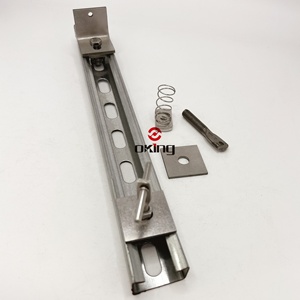
Engineering Response: Cold-formed flashings engineered with oversized slotted fastener channels, longitudinal sliding joint clips, and heavy-gauge structural profiles (0.65mm - 0.80mm). Gutter lines and valleys are engineered for rapid slush-snow evacuation, reinforced with stiffener angles to prevent perimeter sag under snow pack.
Climatic Threat: Blistering solar UV indices (solar radiation exceeding 2,200 kWh/m²), extreme surface metal temperatures peaking at 80°C, and abrasive airborne quartzite sand driven by Sirocco winds.
Engineering Response: Our Saharan-grade roof flashing uses High-Durability Polyester (HDP) and Polyurethane-Polyamide (PUR-PA) resin coatings that resist high sand-abrasion wearing. Specialized double-baffled ridge closures filter particulate quartz dust while maintaining steady internal heat convection across oil-field facilities and desert sub-stations.
The Algerian industrial building sector is undergoing unprecedented modernization driven by national legislative initiatives, foreign direct investment, and a structural pivot away from hydrocarbon dependency.
Algeria's updated Investment Law provides extensive fiscal, customs, and duty incentives for industrial manufacturing, pharmaceutical hubs, and agro-logistics facilities. Developers across industrial zones—such as Rouïba, Oued Smar, and Sidi Bel Abbès—are actively modernizing from obsolete uninsulated single-skin sheds to thermal-efficient insulated envelope systems requiring specialized weather-tight flashings.
Historically, Algerian building sites relied on manual mechanical hand-brakes operated by local tinsmiths, resulting in inconsistent folds, cracked zinc protective coatings, and chronic capillary water seepage. Modern Algerian engineering consultants (Bureaux d’Études) now mandate factory-finished CNC cold-formed flashings with traceable mill test certificates and warranty backing.
The Centre National d'Études et de Recherches Intégrées du Bâtiment (CNERIB) enforces strict DTR standards across state infrastructure projects (AADL, ENPI, Sonatrach tenders). Sourcing certified steel building components complete with formal Certificates of Conformity (Certificat de Contrôle de Qualité) is non-negotiable for customs clearance and consultant sign-off.
Operating from our major integrated manufacturing facilities in Barka since 2009, Paneltech International LLC provides Algerian contractors, steel fabricators, and EPC contractors with complete building envelope accountability.
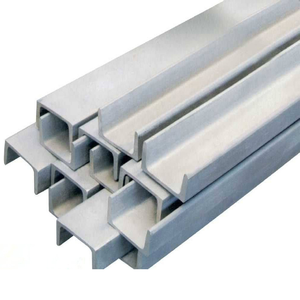
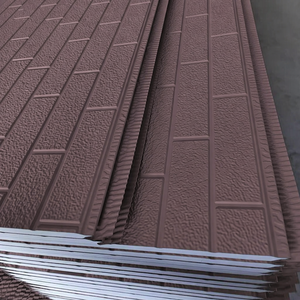
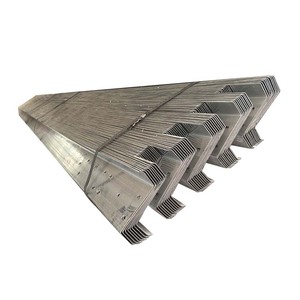
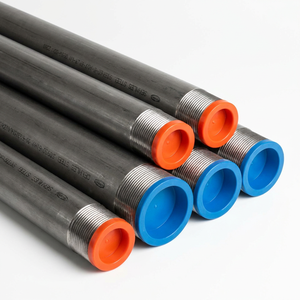
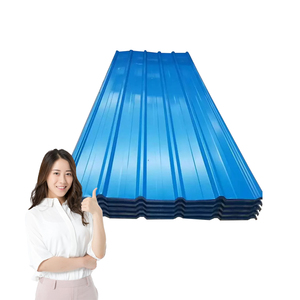
Single-source supply of sandwich panels (PIR, PU, Rockwool), cold-formed C/Z purlins, structural hollow sections, profiled deckings, and matched flashings ensures 100% color consistency and zero galvanic incompatibility.
Advanced hydraulic CNC bending presses and continuous roll-forming lines deliver exact angular precision up to 6.0-meter individual piece lengths, slashing on-site lap joints by up to 50% for superior building integrity.
Comprehensive in-house laboratory testing verifies zinc-coating mass (ASTM A90), paint dry film thickness (ISO 2808), cross-hatch paint adhesion (ISO 2409), and 0-T bend flexibility before dispatch.
Every flashing bundle is protected by protective self-adhesive polyolefin surface film, moisture-absorbing desiccants, heavy corner edge guards, and crated in robust heat-treated timber pallets for secure container maritime transit.
Direct answers concerning documentary credits, Algerian trade certifications, maritime port delivery, and installation engineering compliance.
Every shipment is backed by the complete statutory documentation required by Algerian Customs (Douanes Algériennes) and commercial banks under Bank of Algeria regulations. This includes the legalized Commercial Invoice, detailed Packing List, clean on-board Ocean Bill of Lading (B/L), Certificate of Origin (Certificat d'Origine) stamped by the Chamber of Commerce, and mill test certificates (Certificat de Conformité Matière / EN 10204 Type 3.1). We also coordinate third-party pre-shipment inspections (SGS, Bureau Veritas, TUV) to issue the mandatory Certificat de Contrôle de Qualité des Marchandises.
We are fully experienced with Algerian foreign exchange controls and foreign trade settlement directives. We accept irrevocable, confirmed Letters of Credit (Crédit Documentaire / Credoc) issued by accredited Algerian commercial banks (such as BEA, BNA, CPA, BADR, or international banking branches like BNP Paribas El Djazaïr and Société Générale Algérie). Our export finance team verifies the Letter of Credit wording prior to final issuance to eliminate document discrepancy risks and port demurrage.
Direct maritime container shipping routes operate efficiently from our Middle Eastern logistics hubs to Algeria's main seaports: Port of Algiers, Port of Oran, Port of Skikda, Port of Bejaia, and Port of Djendjen (Jijel). Ocean transit times typically range from 18 to 26 days depending on line transshipment scheduling. Production lead times for custom CNC-bent flashings and matching purlins are generally completed within 10 to 14 working days following drawing approval and L/C confirmation.
Yes. Algerian engineering specifications frequently reference European standards (NF P / Eurocodes) and standard French architectural profiles (bavettes, couvertines à pinces, rives de toiture crantées, solins contre-cloison). Clients can simply provide DWG drawings, architectural sketches, or specify project-specific roof panel profiles. Our technical department prepares fully dimensioned fabrication shop drawings detailing hem widths, fold angles, and slotted holes for client sign-off prior to CNC fabrication.
Galvanic corrosion occurs when electrochemically dissimilar metals are in direct contact in the presence of an electrolyte (such as coastal airborne moisture). We engineer complete building envelope packages where flashings, purlin channels (Z/C sections), roof sheets, and fasteners share matched galvanic potentials. Furthermore, we supply EPDM-bonded washers, synthetic isolation tapes, and matching non-conductive mechanical fasteners for applications adjoining aluminum window mullions or bare structural beams.
In desert zones subject to micro-fine sand infiltration and extreme thermal movement, simple silicone caulking is insufficient as high UV rays rapidly cause shrinkage and debonding. We specify a minimum 150mm to 200mm end lap, sealed with two continuous runs of non-skinning butyl mastic tape (compliant with ASTM C919). Self-drilling stitching screws with stainless steel caps and vulcanized EPDM backing washers should be mechanically fastened at a maximum of 300mm centers along hem lines.