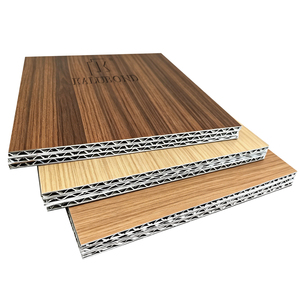
PVDF Coated Corrugated Aluminum Roofing Sheet
70/30 Kynar 500 PVDF resin finishes over 3003-H16 marine-grade aluminum. Superior resistance to high UV exposure, chemical fallout, and coastal saline humidity in maritime Nigeria.

In high-performance commercial, oil and gas, agro-allied, and logistics infrastructure across Nigeria, metal trim profiles and cold-formed flashings are not merely aesthetic perimeter treatments; they constitute the primary defense boundary against water ingress, pressure differentials, moisture-driven delamination, and atmospheric corrosion. From the torrential coastal rainfall in Lagos and Port Harcourt to the abrasive, airborne quartz particles of the Northern Sahel during the Harmattan season, metal trims seal junctions between roof sheets, composite sandwich panels, structural purlins, and masonry foundations.
As premier manufacturers and direct exporters shipping to Apapa, Tin Can Island, and Onne ports, our production facilities process premium galvanized steel (ASTM A653, Z275), Aluzinc (ASTM A792, AZ150/AZ200), and coil-coated structural aluminum alloys. Each profile is precision brake-formed or continuously roll-formed using state-of-the-art multi-stage tooling. This ensures structural hemmed edges, precise drip reveals, and engineered capillary grooving that prevent capillary action during heavy monsoonal wind-driven deluges.
Direct factory supply of profiled sheets, insulated panels, structural decks, and industrial access systems engineered for West African climatic severity.
70/30 Kynar 500 PVDF resin finishes over 3003-H16 marine-grade aluminum. Superior resistance to high UV exposure, chemical fallout, and coastal saline humidity in maritime Nigeria.
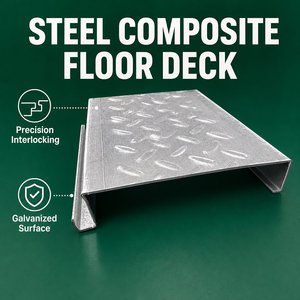
Z275 hot-dipped structural galvanized composite deck profiling for pre-engineered buildings. Provides high-span structural diaphragms, eliminating temporary shoring and accelerating high-rise schedules.
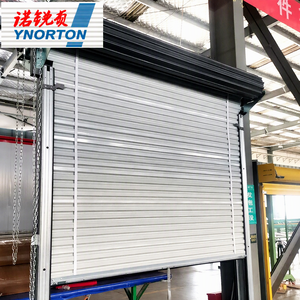
Cold-rolled interlocking galvanized concave steel laths designed for severe industrial security. Resists sustained hurricane-force wind loads and industrial wear in logistics distribution parks.
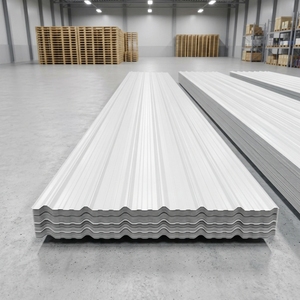
Multi-layer co-extruded UPVC offering absolute resistance to acid rain, alkaline particulates, and coastal salt fog. Delivers superior acoustic damping during torrential downpours.
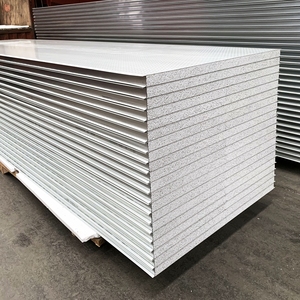
Cost-effective, rapid-deployment thermal partition wall panels. Features high-density expanded polystyrene core bonded to pre-painted galvanized steel facings with tongue-and-groove joints.
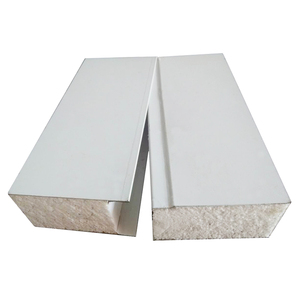
High-performance PIR/PU fire-retardant foam core matched with glass fiber reinforced polymer facings. Engineered for pharmaceutical cleanrooms, cold storage, and hygienic food processing.
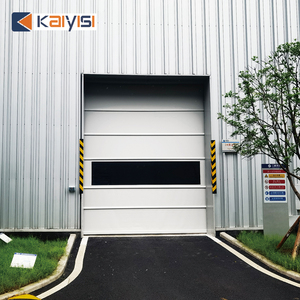
High-cycle automated roll-up fabric barrier with internal structural wind-bars. Preserves internal conditioned air, prevents dust intrusion, and speeds operations in logistics distribution centers.
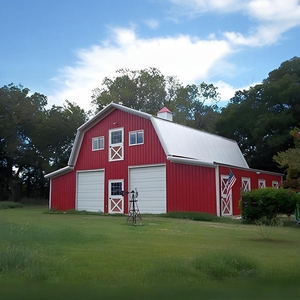
Heavy-gauge pre-engineered clear-span industrial steel frames. Fully integrated with cold-formed C/Z purlins, roof decks, wall cladding, and tailor-folded perimeter trim systems for turnkey projects.
Nigeria’s diverse bioclimatic zones require targeted metallurgical profiles and coating technologies to ensure a 30+ year service life.
Operating in high-humidity, marine-saline environments like Lagos (Lekki Free Zone, Victoria Island, Apapa) and the Niger Delta (Port Harcourt, Onne, Warri). Airborne sea salt accelerates electrolytic galvanic corrosion at roof-to-trim interfaces.
Recommended Trim Spec: 0.8mm – 1.0mm 3003-H14 Aluminum with 28μm PVDF or Aluzinc AZ200, secured with austenitic 304/316 bi-metal stainless fasteners and EPDM isolation washers.
High-precipitation zones including Ogun State industrial corridors (Sagamu, Agbara), Ibadan, and Edo State. Experiences monsoon downpours exceeding 2,500mm annually, creating extreme hydrostatic pressure at eaves, valleys, and wall junctions.
Recommended Trim Spec: Deep-trough perimeter box gutters (minimum 1.2mm HDG Z275) with oversized internal drip lips, integrated bird stops, and hemmed anti-capillary breaks.
Northern distribution corridors encompassing Abuja FCT, Kano, Kaduna, and Maiduguri. Characterized by high diurnal thermal cycling (15°C to 45°C) and abrasive airborne quartz dust carried by Northeast trade winds.
Recommended Trim Spec: High-build Super Durable Polyester (SDP) or Polyurethane (PUR) coatings with high pencil hardness (≥ F) to resist micro-scouring and mechanical wear.
Consulting structural engineers and EPC managers must balance initial material costs against the lifecycle maintenance expenses caused by premature coating failure, zinc sacrificial exhaustion, and structural joint leaks. The table below details material parameters tested according to international and local engineering standards.
| Substrate Material | Protective Coating Class | Yield Strength (MPa) | Salt Spray Durability (ASTM B117) | UV Degradation Rating (QUV) | Optimal Project Application |
|---|---|---|---|---|---|
| Aluzinc (55% Al-Zn) | AZ150 / AZ200 Active Barrier | 350 – 550 (G550 Grade) | ≥ 1,500 hrs to 5% red rust | High (RUV4 Class) | Industrial warehouses, PEB structures, regional FMCG hubs |
| Marine Aluminum Alloy (3003/5052) | PVDF Kynar 500 (28μm system) | 145 – 185 (H14/H16 Temper) | > 3,000 hrs (No pitting) | Maximum (ΔE ≤ 2 after 10 yrs) | Coastal refinery zones, Lekki port logistics, luxury hotels |
| Hot-Dip Galvanized Steel | Z275 Heavy Zinc Spangle | 250 – 350 (Structural Grade) | ≥ 750 hrs to white corrosion | Moderate (RUV2 Class) | Interior secondary purlins, composite floor deck structures |
| Co-Extruded Multi-Layer UPVC | PMMA / ASA Anti-Aging Cap | Flexible Elastomeric Profile | Immune to chemical corrosion | Superior color retention | Chemical manufacturing, fertilizer depots, coastal poultry farms |
Precision execution requires tightly configured trim components. Our factory directly manufactures the complete envelope accessory suite:
The demand for advanced structural trim profiles and factory-engineered building envelopes across Nigeria is being reshaped by structural industrial transformations:
With massive investments flowing into the Lekki Free Zone, Alaro City, the Sagamu Interchange, and the Kano Industrial Zone, multi-national FMCG manufacturers, cold chain logistics operators, and automotive assemblers are building large-span Pre-Engineered Buildings (PEBs). These commercial operators require rapid construction timelines and international building envelope standards, moving away from slow, heavy masonry toward modular steel and sandwich panel construction.
Under the African Continental Free Trade Area (AfCFTA), Nigerian industrial manufacturing hubs are positioning to export finished and packaged goods across ECOWAS. This shift requires facilities meeting strict international standards for food processing and pharmaceuticals (cGMP, HACCP), driving demand for airtight, washable, and thermal-break trim systems (such as FRP and Polyurethane sandwich systems with sanitary curved PVC/aluminum coving profiles).
In high-density industrial corridors like Ikeja, Oshodi-Isolo, Trans-Amadi, and Bompai, rising land costs are driving demand for multi-storey industrial facilities. Structural composite floor decking systems (such as concrete-free galvanized metal floor decking) allow faster vertical expansion, cutting floor weight by 40% and shortening construction timelines compared to traditional reinforced concrete cast-in-place slabs.
Proven engineering capabilities backed by rigorous quality assurance and full supply chain transparency.
Continuous roll-forming lines, automated brake presses, and panel laminators operating since 2009, ensuring complete dimensional control and strict lead-time adherence.
Raw coil ultrasonic inspection, coating dry-film thickness (DFT) testing, cross-hatch adhesion verification, and compliance with ASTM A653, ASTM A792, and BS EN 10169.
Export packaging features heavy-duty desiccant packs, VCI anti-corrosion barrier wraps, corner edge protectors, and solid timber crating to survive container sea freight.
Single-source supply: matching flashings, Z/C purlins, structural floor decks, insulated sandwich panels, translucent daylight sheets, and roller shutter doors.
Clear, practical answers addressing regulatory requirements, maritime logistics, product specifications, and installation practices for the Nigerian market.
Connect directly with our manufacturing engineering department for comprehensive project take-offs, custom flashing profiles, structural engineering calculations, and door-to-port export logistics support for Nigeria.