
Explore our structural metal systems, thermal partition solutions, and fenestration panels engineered to withstand harsh New England marine conditions and strict Massachusetts energy regulations.
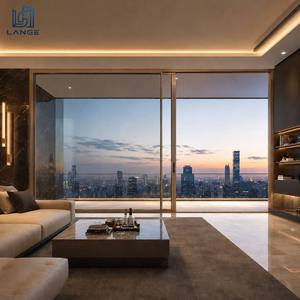
Multi-panel energy-efficient architectural sliding systems engineered for severe Atlantic coastal storm wind loads, air infiltration barriers, and maximum thermal boundary protection.
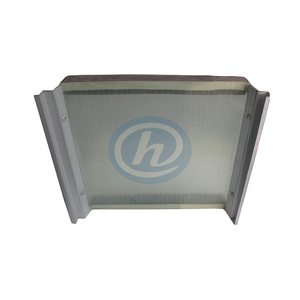
Anti-aging translucent GRP skylight sheets engineered for natural light harvesting in industrial warehouses, resisting salt haze and atmospheric chemical pitting along Massachusetts coastal ports.
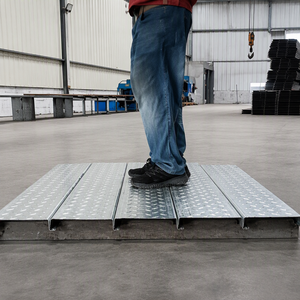
High-strength load-bearing metal deck engineered for high-rise commercial framing, sports facilities, and institutional laboratory structures across Greater Boston.
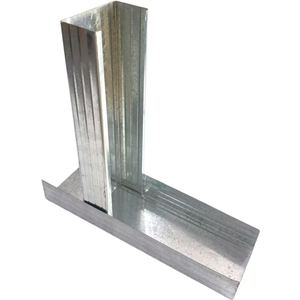
Precision cold-formed CD/UD profiles and hat battens providing rigid, non-combustible framing support for interior partitions and architectural ceilings in healthcare and corporate retrofits.
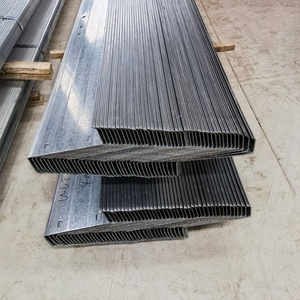
Roll-formed heavy-duty structural purlins optimized for snow drift loads, wind uplift pressures, and sub-roof framing on commercial warehouses throughout New England.
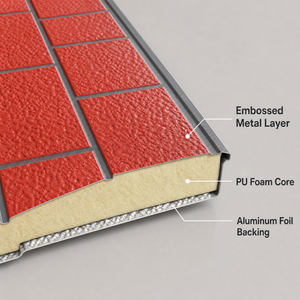
Architectural insulated sandwich facade panels integrating closed-cell PU insulation with aesthetic metallic finishes, meeting strict Massachusetts Stretch Energy Code insulation baselines.
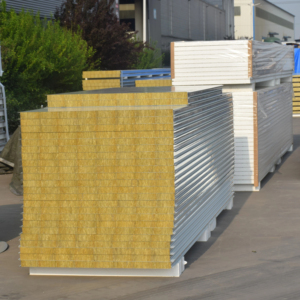
Non-combustible Class A fire-rated structural insulated roof panels delivering superior acoustic dampening and high thermal R-values for industrial fabrication facilities and manufacturing hubs.
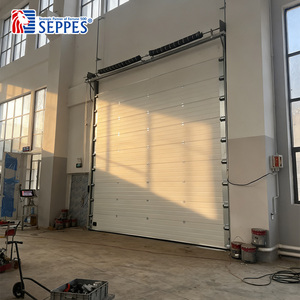
Heavy-duty perimeter security and thermal break overhead door systems engineered for high-cycle distribution centers, dock bays, and cold storage logistics complexes around I-95 and I-495.
Designing durable, energy-compliant building envelopes in Greater Boston requires balancing historic preservation mandates with harsh North Atlantic coastal weather. As a factory-direct manufacturer serving architectural specifiers, general contractors, and structural engineers in Massachusetts, we provide engineered titanium-zinc coils, standing-seam profiles, and integrated insulated envelope substrates designed for extreme temperature variations, ice dam accumulation, and coastal chloride exposure.
The urban marine atmosphere of Boston Harbor and Massachusetts Bay presents a complex microclimate characterized by high relative humidity, airborne marine salts (NaCl), cyclic freezing and thawing, and periodic sulfur dioxide (SO₂) concentrations typical of historic industrial maritime ports. Conventional galvanized metals suffer accelerated zinc sacrificial loss under these conditions, with corrosion rates exceeding 2.5 µm/year in C4/C5 marine environments (ISO 9223).
Our titanium-zinc alloy is produced from continuous high-grade refined zinc (99.995% purity, Zn-SHG per ASTM B6) alloyed precisely with titanium (0.08%–0.20%) and copper (0.08%–1.00%). This precise metallurgical formulation alters the mechanical and chemical behavior of the sheet:
| Property / Engineering Metric | Architectural Titanium-Zinc (ASTM B69) | Galvalume Steel (AZ50/AZ55) | Standard Architectural Aluminum (3003-H14) |
|---|---|---|---|
| Nominal Lifespan (Boston Marine Zone C4/C5) | 80 to 120+ Years | 25 to 40 Years (Edge Creep Susceptible) | 35 to 50 Years (Finish Chalking) |
| Coefficient of Linear Thermal Expansion | 22 x 10⁻⁶ m/(m·K) (Longitudinal) | 12 x 10⁻⁶ m/(m·K) | 24 x 10⁻⁶ m/(m·K) |
| Melting Point / Fire Resistance Class | 418°C (784°F) / Class A Non-Combustible | 1425°C / Class A Non-Combustible | 660°C / Class A Non-Combustible |
| Patina Regeneration / Self-Healing | Continuous Natural Passivation | None (Exposed Core Rusts) | Passive Oxide Layer (No Scratch Fill) |
| Embodied Carbon & Recyclability | 100% Recyclable; Low Smelting Energy | High Smelting Carbon footprint | High Energy Primary Production |
| Recommended Minimum Slope | 3:12 (Double-Lock Standing Seam: 1.5:12) | 3:12 (Exposed Fastener) | 2:12 (Mechanically Seamed) |
Boston experiences ambient temperature differentials spanning from -10°F (-23°C) during winter polar vortex blasts to 98°F (37°C) during humid mid-Atlantic summer heatwaves. On an unshaded dark-patina zinc roof surface, solar absorptance can drive peak metal temperatures up to 175°F (79°C), resulting in an operational delta-T (ΔT) of nearly 185°F (102°C).
Given titanium-zinc’s linear thermal expansion rate of 0.022 mm/m/°C, an uninhibited 40-foot standing-seam pan will expand and contract up to 1.07 inches (27.2 mm) through annual weather cycles. Failure to accommodate this differential movement causes oil-canning, sheared fastener shanks, and stressed mechanical seam unlocks. Our factory roll-formed systems incorporate sliding-clip anchorage arrays that deliver 1.5 to 2.0 inches of longitudinal travel, paired with engineered fixed points strategically located at ridges or third-span roof junctures based on overall slope geometry.
To combat New England ice damming along eaves and gutters, continuous air-barrier and thermal-envelope design must prevent interior heat migration to the sub-roof deck. Incorporating factory-manufactured structural sandwich panels or high-R continuous rigid rockwool boards beneath our engineered structural Z and C purlins guarantees an uninterrupted thermal barrier. This stabilizes deck temperature, reduces freeze-thaw cycles along eaves, and maintains continuous, free-draining under-panel ventilation via textured structural drainage mats.
A critical consideration in cold-climate zinc roofing is the avoidance of underside condensation corrosion. When warm, moisture-laden indoor air migrates through imperfect ceiling vapor barriers and encounters a cold, non-vented zinc underside, moisture condenses without sufficient atmospheric carbon dioxide to form protective hydrozincite. In the presence of trapped liquid moisture and limited air circulation, rapid zinc degradation occurs, forming white rust (zinc oxide/hydroxide).
To ensure long-term structural integrity, our engineering specifications mandate either:
Engineered architectural metal envelopes tailored to the structural and aesthetic demands of Massachusetts developments.
Pre-weathered slate-gray zinc standing seam pans, radius dormer flashings, and ornamental bay facades engineered to meet strict Boston Landmarks Commission (BLC) aesthetic criteria while eliminating slate maintenance.
Architectural facades and non-vented zinc cladding engineered for C5 coastal marine salt fog resistance, 120+ mph Atlantic Nor'easter gust resistance, and contemporary aesthetic alignment in South Boston waterfront towers.
Precision roofing and composite floor decking integration for Kendall Square lab facilities requiring vibration dampening, non-combustible Class A roof fire ratings, and non-off-gassing interior envelope enclosures.
High-thermal-efficiency PIR and Rockwool trapezoidal roof panels paired with heavy-duty structural purlins, enabling rapid envelope enclosure for multi-bay cold storage, e-commerce, and advanced distribution centers.
Navigating the regulatory, environmental, and engineering shifts shaping the northeastern commercial building sector.
With Boston’s Building Emissions Reduction and Disclosure Ordinance (BERDO 2.0) and the statewide Specialized Opt-In Energy Code driving net-zero targets, building envelopes must eliminate thermal bridging. Specifying high-R continuous insulated panel systems with factory-integrated thermal breaks reduces operational HVAC loads by up to 35% compared to conventional multi-component stick framing.
Institutional developers throughout Harvard, MIT, and Boston medical campuses prioritize low embodied carbon. Architectural titanium-zinc requires significantly lower energy during smelting compared to aluminum or primary steel and is 100% recyclable at end of life without property degradation, contributing direct credits to LEED v4.1 and Living Building Challenge certifications.
Increased frequency of intense coastal storms and high-velocity wind-uplift pressures require systems engineered under ASCE 7-22 standards. Boston structural engineering teams increasingly abandon adhesive-only membranes in favor of mechanically locked double-fold standing seam zinc panels and continuous structural steel deck diaphragms.
From automated roll-forming lines to strict multi-stage metallurgical inspections, our manufacturing facilities deliver direct contractor savings and verified technical consistency.
State-of-the-art multi-stage roll-formers produce precision standing seam pans, purlins, and decking profiles with continuous automated tolerances under ±0.5mm, eliminating field alignment delays on Boston job sites.
Continuous high-pressure polyurethane and mineral rockwool injection lines ensure 100% core-to-skin lamination, preventing delamination under extreme wind-uplift pressures and thermal shearing.
Factory laboratory testing verifies yield strength, coating mass, salt-spray resistance (ASTM B117), and fire performance before crating, providing complete certified mill test reports for city permit approvals.
Moisture-barrier containerized crating and dedicated logistics corridors direct to Conley Terminal / Port of Boston ensure predictable container delivery, eliminating costly domestic distributor markups.
Technical clarity for architects, cost estimators, and building owners evaluating zinc and composite envelope systems.
Architectural titanium-zinc thrives in marine salt-spray conditions. Marine chlorides react with the basic zinc carbonate to form zinc chlorohydroxycarbonate, an insoluble component of the protective patina. Unlike painted galvanized steel where salt air initiates galvanic rust creep at cut edges, zinc’s self-healing properties prevent structural substrate corrosion along coastal harbors.
Because standing seam panels expand and contract substantially across New England's -5°F to 95°F seasonal swings, fixed clips must be restricted to a single zone (typically near the ridge for slopes > 3:12). Two-piece sliding clips featuring stainless steel bases and sliding tabs must be positioned throughout the rest of the run, allowing unrestricted thermal movement up to 2 inches.
Our sandwich roof panels and composite decking profiles comply fully with 780 CMR and IBC standards. Mineral wool cores provide non-combustible Class A fire performance (ASTM E84 / UL 723), while composite floor decks deliver tested diaphragm load ratings and UL fire-resistance assemblies up to 3 hours under structural concrete slabs.
Procuring directly from our manufacturing facility cuts middleman distributor margins of 25% to 40%. For large commercial, industrial, or multi-family projects requiring containerized volumes of standing-seam coils, insulated wall panels, or decking, factory-direct ocean freight delivery to Boston offers unmatched price-to-performance efficiency.
No direct galvanic contact should occur between zinc and more noble metals such as copper or raw iron. Rainwater runoff from a copper roof draining onto zinc will cause rapid electrolytic pitting. Our technical department provides detailed assembly shop drawings showing isolation strips, EPDM gaskets, and compatible stainless-steel fixings to isolate dissimilar metals completely.
Coils, panels, and pre-formed profiles are packaged in heavy-duty sea-freight wooden crates with sealed vapor-barrier plastic and desiccant packs to prevent moisture condensation in transit. Direct container vessel shipments to Boston Conley Terminal or regional New York/New Jersey ports typically require a 25 to 35-day transit window post-fabrication.